

Animals usually recognize toxic substances and naturally stay away. But hunger or pica (also known as soil licking; the perversion of eating inedible things such as earth, nylon, wood, metal substances); changes in the smell, taste and color of food, poisoning can be observed in animals when people intentionally or accidentally release these substances.
Symptoms of poisoning such as weakness, vomiting, collapsing and loss of consciousness, difficult breathing, swelling, seizures may occur. If symptoms are noticed at that moment, when food or toxic substance suspected of poisoning is consumed by your pet or after its consumption, you should contact your veterinarian without wasting any time.
What are the Types of Poisoning in Cats and Dogs?
Our pet friends can suffer from poisoning caused by many different foods, medicines, pesticides, biotoxins, cleaning materials or herbal substances. Poisoning can occur by inhalation from the air or through food.
Substances used as pesticides, rat poisons, etc., can cause poisoning that can be life-threatening. When you notice the interaction of your pet with such substances, it would be the best to consult your veterinarian without wasting any time. In addition, some stinging flies or insects can also cause poisoning in animals due to the substances they secrete.
What are the Foods That Cause Poisoning in Cats and Dogs?
Chocolate: It contains methylxanthines called theobromine. This substance causes muscle contractions to increase as a result of some reactions. The toxic amount is 15-20 mg/kg. Chocolates offered for consumption contain theobromine and caffeine in different proportions, so the sensitivity of cats and dogs can be variable.
Symptoms of poisoning: vomiting, restlessness, ataxia, seizures, muscle tremors, coma and death, which usually occur within 1-4 hours, can be seen. Especially our pets with heart, liver, kidney and nervous disorders in the past should be examined by a veterinarian even if they do not show clinical symptoms.
Coffee, Tea, Soda and Carbonated Drinks: Methylxanthines, such as caffeine, theophylline, also cause muscle contractions to increase as a result of some reactions. The symptoms of poisoning are the same as those seen in chocolate.
Garbage and Spoiled Foods: From some bacteria that have multiplied in garbage and spoiled foods (E.coli, Streptococcus, Salmonella spp., C. perfringens, C. botulinum, etc.) the released endotoxins cause poisoning by many different mechanisms. These types of poisoning are called enterotoxemia. As a symptom of poisoning, vomiting, diarrhea, dehydration and fever, which usually start within 3 hours, may be observed. They also cause some life-threatening syndromes.
Garlic and Onions: Disulfide, trisulfide, thiosulfonates in their structures cause poisoning. Cooking or spoiling the plant does not reduce its toxicity. Consumption of onions in body weight of 5 g/kg/day in cats and 10-15 g/kg/day in dogs causes clinically dangerous symptoms.
Symptoms of poisoning: Tachypnea(Excessive rapid breathing), drowsiness, weakness, vomiting, diarrhea can be counted as.
Grapes (Vitis spp.): It usually causes poisoning in dogs, but the substance of action is not yet known. Wet or dry, both forms cause poisoning.
Symptoms: Anuric kidney failure, vomiting, diarrhea, weakness, fluid loss and collapse(blood collection) are observed within 24-72 hours after eating grapes. The amount of grapes that cause kidney damage in dogs is 12-31 g/kg body weight, while this ratio is 2.85 g/kg body weight in raisins.
What are the Cleaning Products and Chemicals That Cause Poisoning in Cats and Dogs?
Bleach, etc. many household cleaning products; sodium hypochlorite, sodium peroxide, ethylene glycol (Found in paint, wood coloring, hydraulic brake fluid, printer cartridge), xylitol (found in toothpaste, chewing gum, mint sugar), chemical cleaning agents, mothballs, batteries and some substances such as batteries are in this group. They can cause very dangerous situations for your pet, and you should definitely contact your veterinarian in case of poisoning caused by these substances.
Bleach: Usually excessive salivation, abdominal pain, cough, vomiting, pharyngeal irritation; if exposed through breathing, symptoms such as shortness of breath, gagging may occur.
Mothballs: Usually 3-5 days after ingestion, symptoms such as vomiting, breath, mouth and vomit smell of mothballs, seizures may be observed.
What are Some Plants That Cause Poisoning in Cats and Dogs?
Oleander: Every dry or wet part of the plant is poisonous. The substance that creates a toxic effect is oleandrin. Bradycardia(low heart rate) , arrhythmia, hyperkalemia(high amount of potassium in the blood) and sudden death may also occur as symptoms. Even a small amount is quite dangerous. When noticed, it should also be contacted by a veterinarian as soon as possible.

Lily: It is an ornamental plant that is widely used at home and in gardens, mostly poisonous to cats. All parts are highly toxic. The causative agent of the poison effect is unknown. 2-3 leaves or a part of them can be fatal. Symptoms of salivation, salivation, weakness, loss of appetite are observed. 48-96 hours after consumption, loss of appetite may occur following kidney disorders, followed by death.

Hyacinth (Hyacinthus orientalis): It is a cultivated ornamental plant. The poisoning agent is the calcium oxalate crystals it contains. As a symptom, irritation(local irritation), colic(gas pains), vomiting, diarrhea are usually observed on the mucous membranes.

Narcissus (Narcissus spp.) : The narcissistic and many phenanthrene alkaloid substances it contains cause intoxication. There is more of this substance in the onion part. It is usually formed as a result of eating the plant or drinking the water it is in. A few bulbs of plants are lethal for a small animal. As well as having variable symptoms such as vomiting, excessive salivation, severe fluid loss, some cases can also result in death.

Honeysuckle (Lonicera spp.) : Usually for dogs and creates a low degree of poison effect. Its fruits contain valerianic acid and xylostein, which have strong irritating properties. Symptoms are observed in the form of vomiting, abdominal pain, sometimes bloody diarrhea, depression within an average of two hours.

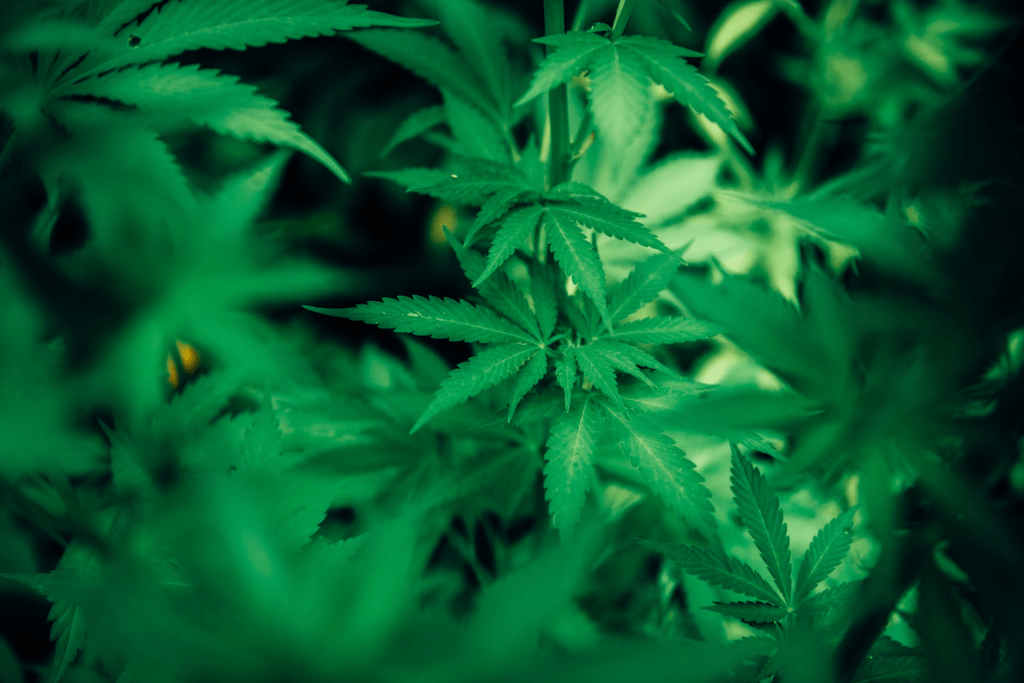
Hemp (Cannabis spp.) : It is low degree toxic to dogs. The contents of cannabinol, cannabidiol and tetrahydrocannabinol are responsible for poisoning. As a clinical finding, weakness, ataxia in the hind legs, inability to hold urine or feces, sensitivity in the eyes, behavioral disorders and hypersensitivity to odors, noises are observed. Severe cases can result in coma and death. Most of the cases are dogs of policemen who have caught drugs or people who sell and use drugs.
In addition to the above plants, tobacco, rosary tree, foxglove, mistletoe, castor oil, shepherd’s tassel, horsestrel, lily flower, coconut and macadamia nuts can be counted as other plants that can cause poisoning in domestic animals.
This blog post has been verified by Doctor of Veterinary Medicine Mahmut Oğuzhan YALÇIN.
SOURCES
Kaya, S. (2002). Zehirlenmelerin Sebepleri, Tanısı ve Sağaltımı. 185-206. Alınmıştır: S. Kaya, İ. Pirinçci, A. Bilgili. (Ed.). Veteriner Hekimliğinde Toksikoloji. Medisan Yayın Serisi:53. Ankara. Son Erişim Tarihi: 29.09.2023
Vetrium. “ Köpek Zehirlenmesi Belirtileri ”. Erişim: 01.10.2023. https://ankaravetrium.com/blog/kopek-zehirlenmesi-belirtileri
YİPEL,M. (2023), Kedi ve Köpek Hekimliği. Ankara, Türkiye: Ender YARSAN. Son Erişim Tarihi 29.09.2023


 VETEXPLAIN