
Acne, or pimples as we commonly know them, are not exclusive to humans. They can also occur in cats and dogs. Feline chin acne, which is particularly common in cats, appears on the chin or around the mouth. It is a skin problem characterized by blackheads resulting from the accumulation of dirt and oil in these areas. This condition can be seen in both male and female cats of all ages and breeds.

Acne, or pimples as we commonly know them, are not exclusive to humans. They can also occur in cats and dogs. Feline chin acne, which is particularly common in cats, appears on the chin or around the mouth. It is a skin problem characterized by blackheads resulting from the accumulation of dirt and oil in these areas. This condition can be seen in both male and female cats of all ages and breeds.
Causes of Chin Acne
Chin acne in cats can be attributed to various factors, with the most significant being the cat’s living conditions.
– **Increased Sebum Production**: Excessive production of sebum can lead to clogged follicles.
– **Sebum**: A secretion produced by the skin’s sebaceous glands.
– **Frequent Changes in Food**
– **Living in a Dirty Environment**
– **Suppressed Immune System**
– **Stress**
– **Allergies**
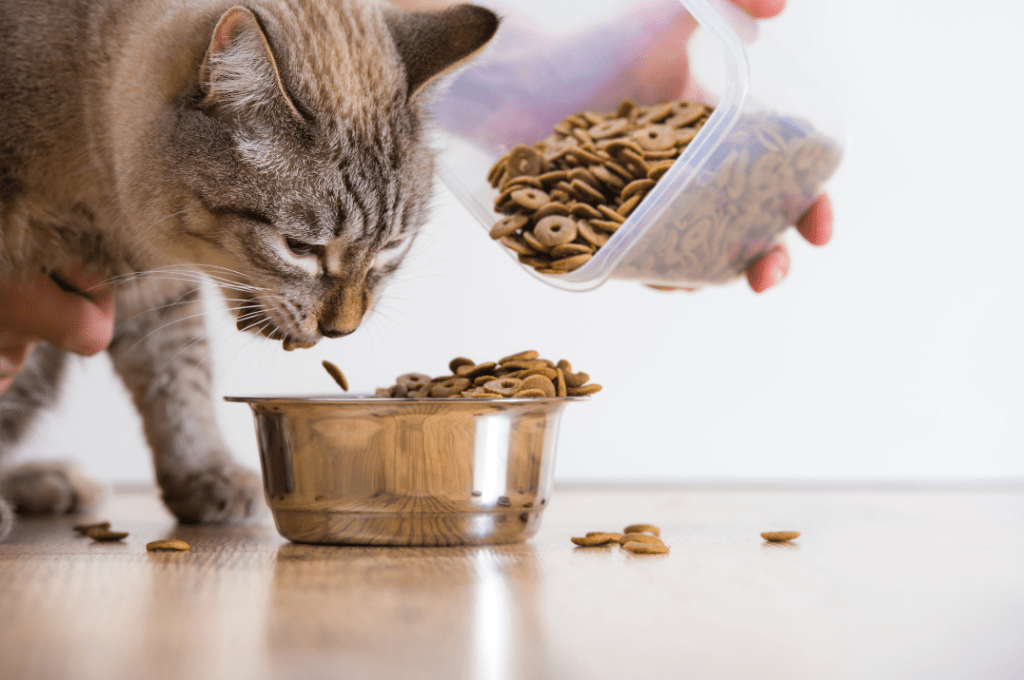
– **Plastic Food and Water Bowls**
These factors are considered potential causes of chin acne in cats.
Symptoms of Chin Acne
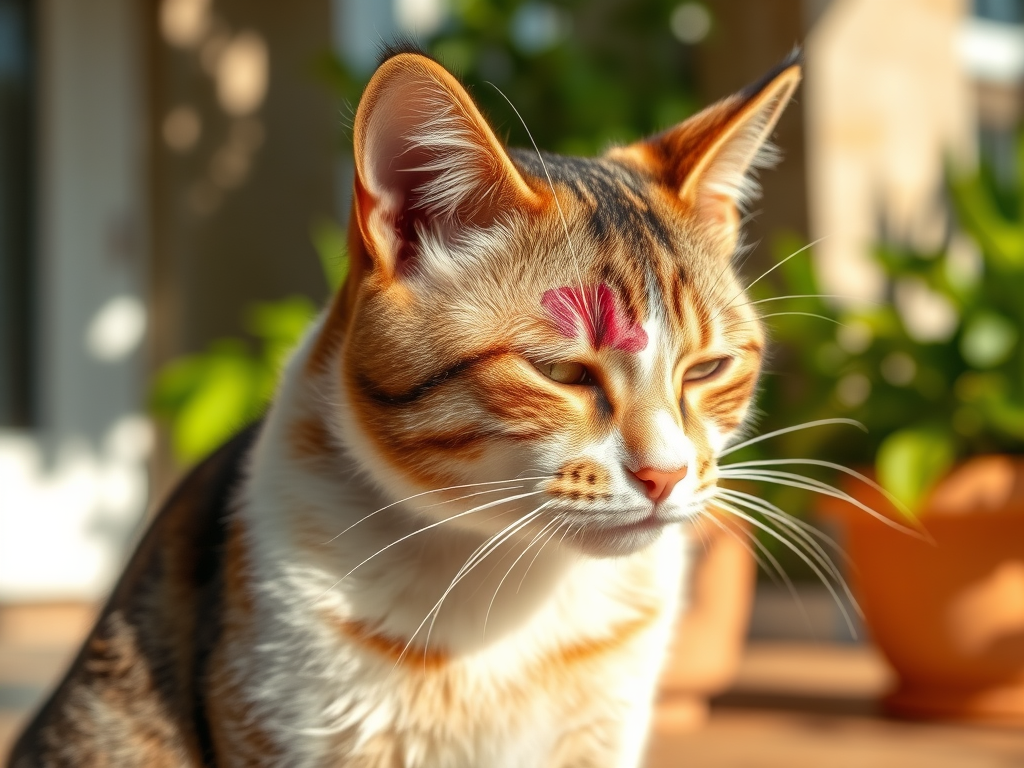
The most common clinical sign of chin acne is a dirty appearance of the chin. Some cats may also have discharge or fluid on or around the chin. Chin acne is not typically itchy or painful unless it is severe. However, it should be treated before it progresses. If there is an accompanying infection, the chin acne can become itchy and painful. Other clinical signs may stem from associated conditions. In chronic cases, there may be hard, crusty lesions that are painful to touch.
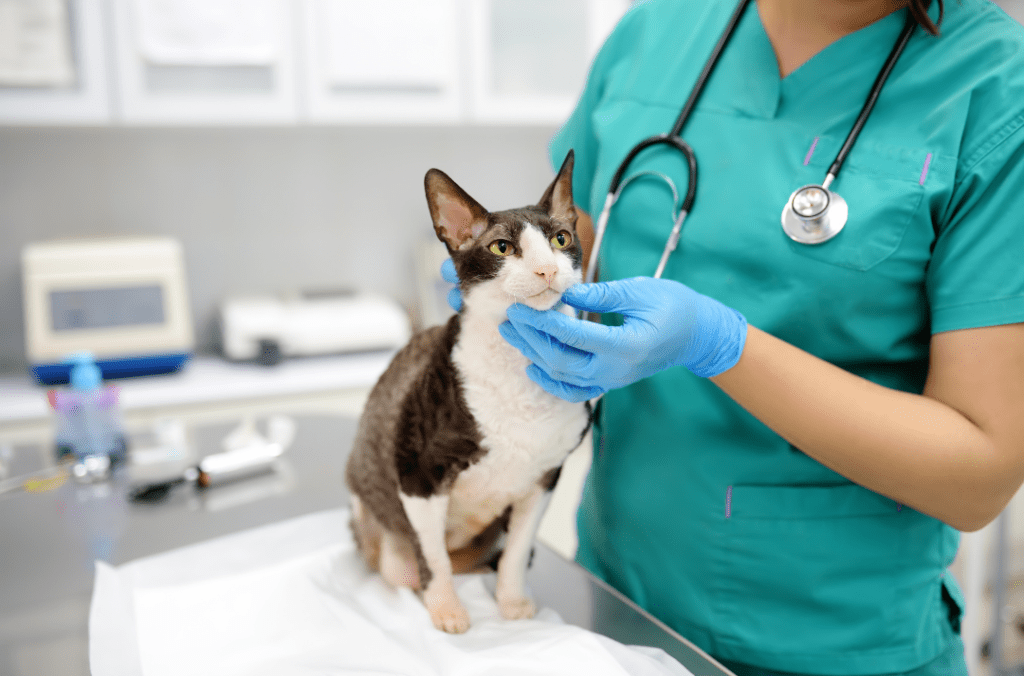
If you notice these symptoms in your pet and suspect chin acne, you should consult your veterinarian for treatment.
How to Prevent Chin Acne
– **Switch to Non-Plastic Bowls**: Use ceramic, glass, or porcelain bowls instead of plastic for food and water.
– **Daily Cleaning**: Ensure food and water bowls are cleaned daily.
– **Proper Grooming**: Follow your veterinarian’s recommendations for fur and skin care.
– **Reduce Stress**: Take steps to minimize stress in your pet’s environment.
This blog post has been verified by Doctor of Veterinary Medicine Yusuf ERTOSUN.
Source:
Jazic, E., Coyner, K. S., Loeffler, D. G., & Lewis, T. P. (2006). An evaluation of the clinical, cytological, infectious and histopathological features of feline acne. Veterinary dermatology, 17(2), 134–140.(2023)
White, Stephen & Bordeau, Patrick & Blumstein, Philippe & Ibisch, Catherine & Guaguère, E. & Denerolle, Philippe & Carlotti, Didier & Scott, Katherine. (2003). Feline acne and results of treatment with mupirocin in an open clinical trial: 25 Cases (1994-96). Veterinary Dermatology. 8. 157 – 164.
https://doi.org/10.1111/j.1365-3164.2006.00507.x
10.1046/j.1365-3164.1997.d01-16.x.(2023)


 VETEXPLAIN
Yorum bırakın