

When we hear the term “tumor,” most of us wonder whether it’s benign or malignant. So, what exactly is a benign or malignant tumor?
A benign tumor is one that does not cause serious health problems and is treatable. A malignant tumor, on the other hand, is cancerous, can spread to surrounding tissues (metastasize), and is more difficult to treat, with the risk of recurrence. In this blog, we will focus on malignant melanomas, which are cancerous tumors found in the skin.
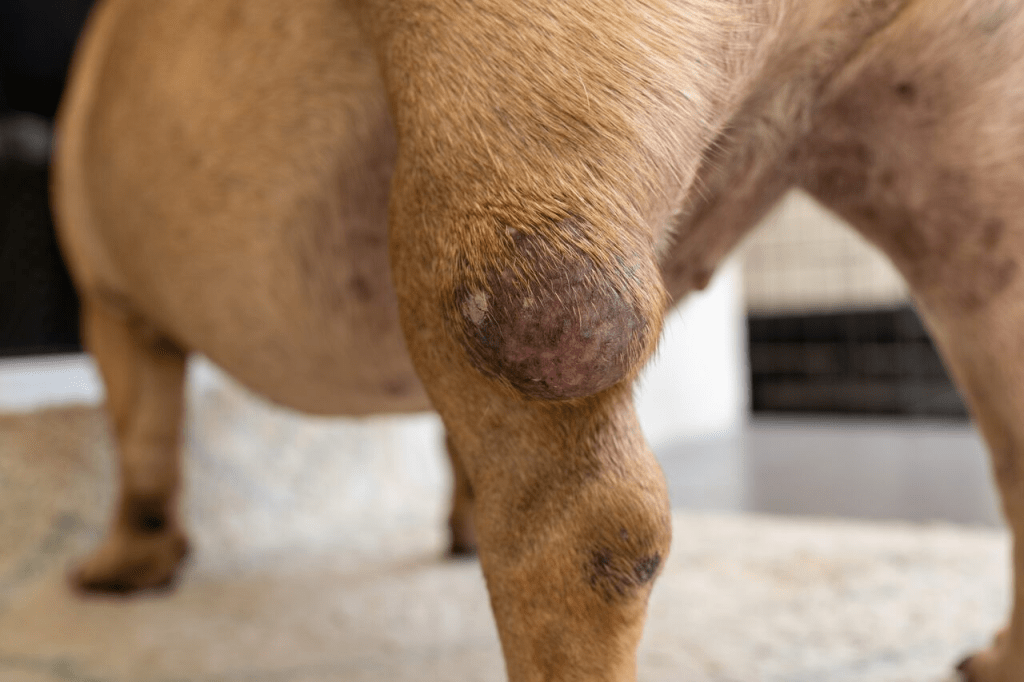
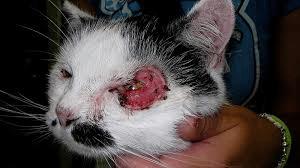
Skin cancers can appear in various forms, from lumps and swellings to crusts and warts. The lesions or skin colors may also vary. Malignant melanomas are usually found as raised lumps with open sores, often located on the lips, mouth, and around the paws.
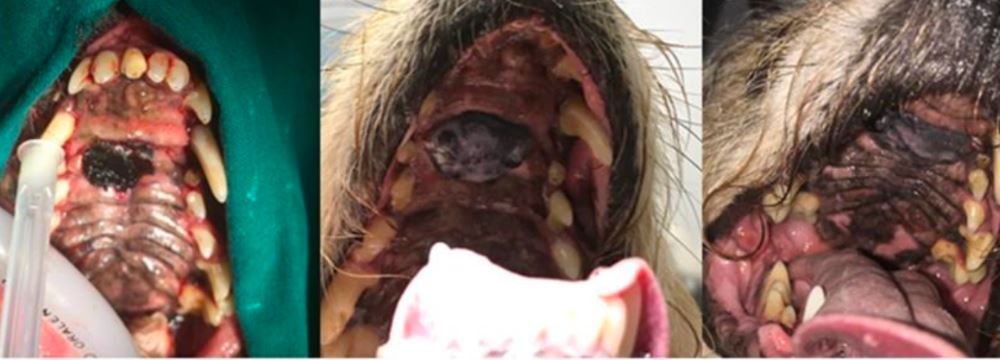
While the exact cause of these malignant skin cancers in some cats and dogs is not always known, Blue Cross points out that factors like sun exposure, continuous licking of certain areas, genetics, and breed can play a role. To elaborate, animals with light-colored, thin, and less hairy skin have a higher risk of developing skin cancer.
According to the Royal Veterinary College, there are various types of skin cancers affecting cats and dogs, including mast cell tumors, carcinomas, melanomas, and lymphomas.
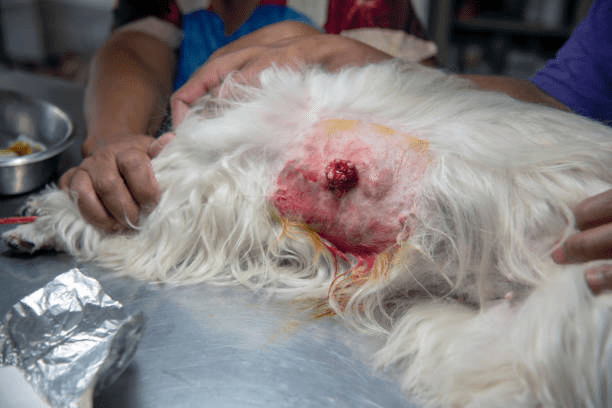
Mast Cell Tumors
These are the most common tumors, affecting white blood cells known as mast cells, which are part of the immune defense system. As a result, they form cancerous masses either under the skin or on its surface. Mast cell tumors can appear anywhere in the body but are most frequently found on the limbs, lower abdomen, and chest.
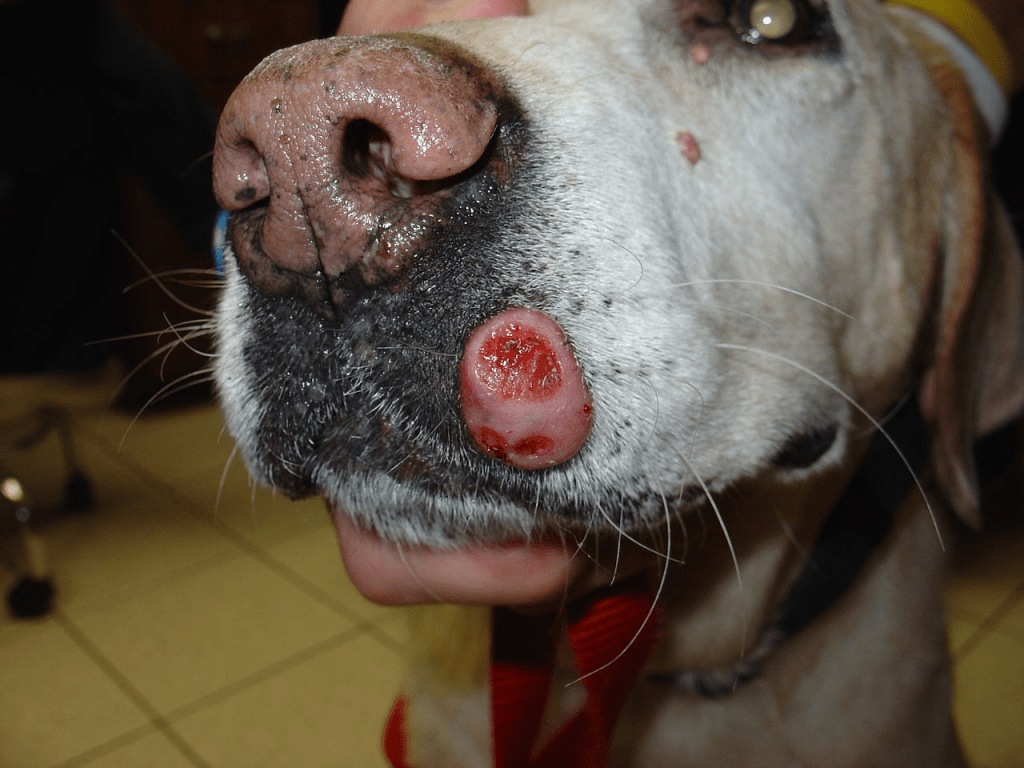
Carcinomas
Carcinomas affect different skin cells, and their names depend on the specific cell involved. Examples include Basal Cell Carcinoma and Squamous Cell Carcinoma. These cancers are generally found on the head, lower legs, back, and abdomen.
Melanomas
Melanomas affect the pigment-producing cells of the skin. Oral melanoma, a particularly malignant form, can locally destroy tissues in the mouth and quickly spread to other parts of the body. Therefore, this cancer has three aspects: local destruction in the oral cavity, undetectable tumor cells during the spread, and the presence of cancer in distant organs.

Lymphomas
These are tumors that originate from the lymphatic system.
Should you be concerned if you notice a lump on your cat or dog? The level of concern depends on the size and growth rate of the mass. If it’s growing quickly, it may be cause for concern.
The evaluation of skin and subcutaneous tumors is generally based on clinical and histopathological criteria. Clinically, the World Health Organization’s TNM system (T: size of the primary tumor, N: status of regional lymph nodes, M: whether metastasis has occurred in surrounding tissues) is used.
Diagnosis of Skin Cancer
If you notice a lump, we recommend taking your pet to a veterinarian. The vet will perform the necessary tests and provide a diagnosis and treatment plan as needed.
This blog post has been verified by Doctor of Veterinary Medicine Elif Yıldırım KORKMAZ.
SOURCES
- Deniz ÖZ, Köpeklerde Cilt Kanseri 08.11.2022, Erişim Tarihi: 12.08.2024
- Dr. Karen LOUİS, Köpeklerde Deri Kanseri: Belirtiler, Tanı ve Tespit
- Ö. Serdar SONCELEY, Kürşat ÖZER, Kedi ve Köpeklerde Deri ve Derialtı Doku Tümörleri ve Tedavi Prensipleri, Erişim Tarihi: 12.08.2024
- Wendy BROOKS DWM, DABVP, Malignant Melanoma in Dogs and Cats, 07.06.2024, Erişim Tarihi: 12.08.2024
INTERNET RESOURCES
https://www.buyukanadoluhastanesi.com/haber/2122/tumor-neden-olur-tumorlerin-olusum-sureci-ve-farkli-turleri#:~:text=İyi%20huylu%20tümörler%20kanser%20değildir,olup%20tekrarlama%20riski%20daha%20yüksektir. ,Erişim Tarihi: 16.08.2024




 VETEXPLAIN
Yorum bırakın