

General Information
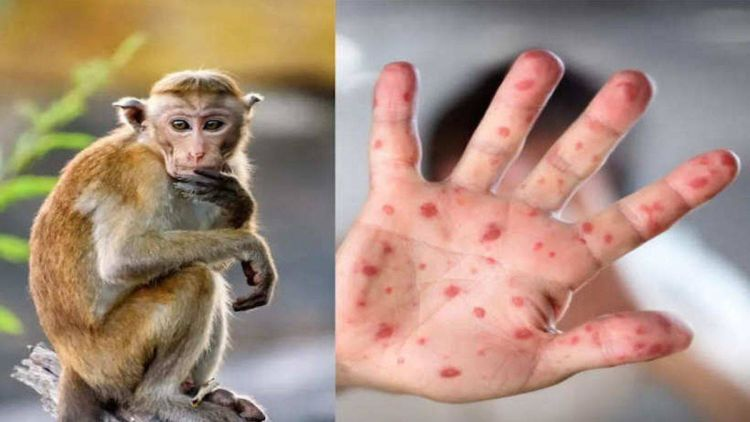
Mpox is an infection caused by a virus known as Monkeypox. This virus is part of the same family (Orthopoxvirus) as the virus that causes smallpox, but it should not be confused with chickenpox, which is caused by the Chickenpox virus (Varicella-Zoster virus) and is part of the Herpes family (the similarity of lesions can complicate diagnosis). Mpox can spread between animals and humans, meaning it is zoonotic. It is endemic in certain parts of Central and West Africa, where it is regularly observed. It has been found in small rodents, monkeys, and other mammals living in the region.

https://www.paho.org/en/mpox/mpox-monkeypox-guidelines-and-technical-resources
The Monkeypox virus was discovered in 1958 when an outbreak of a smallpox-like illness occurred in monkey colonies kept for research purposes. Although the source of the disease is unknown, it was named “monkeypox” for this reason. The first human Mpox case was recorded in 1970 in the Democratic Republic of the Congo, and in 2022, it spread worldwide.
There are two types of the Monkeypox virus: Clade 1 and Clade 2. Clade 1 causes more severe diseases and deaths. Clade 2 is the type responsible for the global outbreak that began in 2022. Both types can spread through direct contact with infected wild animals, close contact with a person infected with Mpox (including sexual contact), and contact with contaminated materials. Close contact can include direct skin contact with rashes or scabs, contact with saliva and respiratory secretions, contact with genitalia or the anus, and face-to-face interactions. Additionally, pregnant individuals carrying the virus can infect the fetus and the baby during or after birth. Some people can transmit the virus to others 1-4 days before symptoms appear.
Mpox in Animals
Mpox can spread to humans through small wild animals endemic to the region, via direct contact with the fluids and waste of an infected animal, through bites and scratches, and during activities such as hunting or processing wild animals. While small mammals can carry the virus without showing symptoms, non-human primates like monkeys can show signs of illness similar to humans.
In 2003, a Mpox outbreak occurred in domestic prairie dogs in the U.S. because they shared the same cage with infected small mammals from West Africa. This resulted in 47 human cases across six states. Research is ongoing to determine which animal species can be infected with the Monkeypox virus, but reptiles, amphibians, and birds are not believed to be susceptible to Orthopoxviruses.
https://tvhb.org.tr/2022/05/26/kuresel-salginlari-yasamanin-yolu-tek-saglik-yaklasimi/
If you have Mpox, avoid contact with all animals to prevent the virus from spreading. You may ask someone who lives separately to care for your animals until you fully recover. When you return home, ensure that you are fully healed and have cleaned and disinfected your home.
Possible symptoms in pets include rashes, lethargy, loss of appetite, coughing, swelling, fever, and skin lesions similar to smallpox (initially resembling pimples or blisters, later forming scabs). If your pet has been in close contact with a suspected or confirmed Mpox case and develops a rash along with two other symptoms, you should consult your veterinarian. The first step you can take is to separate your pet from healthy animals, limit direct contact for at least 21 days until your vet says it’s safe, and ensure that the items, clothes, and hands used to care for the animals are disinfected.
In veterinary clinics, environments where a suspected Mpox-infected animal has been should be cleaned and disinfected, personnel should wear high-filtration respiratory masks, disposable gowns, and gloves, and any equipment used during the examination or waste from the animal should be appropriately disposed of. The infected animal should be isolated from healthy animals. Additionally, eye protection or face shields should be used to guard against potential body fluid splashes.
Mpox in Humans
Mpox is usually recognized by a rash that appears on the hands, feet, chest, face, mouth, or around the genitals. The term ‘incubation period,’ which we became familiar with during the Covid-19 pandemic, refers to the time during which a person or animal may not show symptoms but can still spread the disease. For this virus, the incubation period is 3-17 days.

The rash may initially look like pimples or blisters and can be painful or itchy. Lesions go through different stages, from rash to healing and scabbing. Other symptoms include fever, chills, swollen lymph nodes, fatigue, muscle aches, back pain, headaches, and respiratory symptoms (such as sore throat, nasal congestion, and cough). Mpox symptoms begin within 21 days of exposure to the virus. If you have the flu-like symptoms mentioned above, a rash may follow in 1-4 days. At this point, you should see a healthcare provider and avoid contact with your pets. If you have a weakened immune system due to a condition like AIDS, are pregnant, live in a household with pregnant women or children, or have a history of atopic dermatitis and eczema, it is especially important to avoid close contact during this time. You can consult your healthcare provider about vaccinations to protect yourself from the virus.
This blog post has been verified by Doctor of Veterinary Medicine Begüm MAŞLAK
SOURCES
“Mpox” CDC https://www.cdc.gov/poxvirus/mpox/index.html


 VETEXPLAIN