
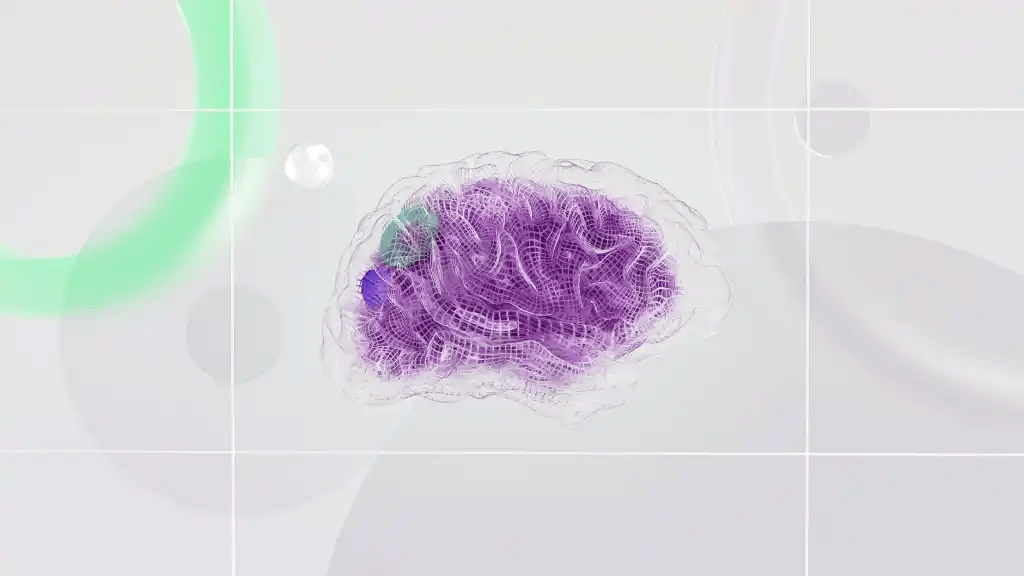
Anxiety can be defined as a state of excessive worry or fear about a future event. It can vary in severity. As defined by the World Health Organization, being healthy is the state of mental, physical, and social well-being. This definition also applies to animals. Mental health problems should not be overlooked. As scientifically proven, animals also have decision-making abilities, which are facilitated by neurological pathways similar to those in humans.
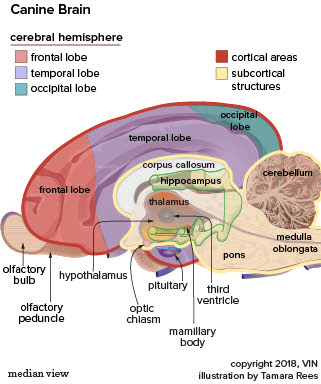
Behavioral issues account for 93% of pet abandonment cases. Additionally, they are the third leading cause of euthanasia in cats and dogs worldwide (with old age being the first and cancer the second). These behavior problems include:
• Elimination issues (inappropriate defecation and urination),
• Growling, barking,
• Biting,
• Separation anxiety, among others.
Behavioral changes due to anxiety may include:
• Destructive behavior (destroying objects, aggression),
• Compulsive behaviors,
• Vocalization problems,
• Aggression issues,
• Socialization problems,
• Hypersalivation,
• Nausea,
• Anorexia/overeating,
• Eating disorders.
Common behavioral changes seen in dogs include constant environmental monitoring, being overly alert, low ear/tail/body posture, excessive barking, chewing on foreign objects, and urinary incontinence. Moreover, an anxiety subtype frequently seen in dogs is Separation Anxiety.
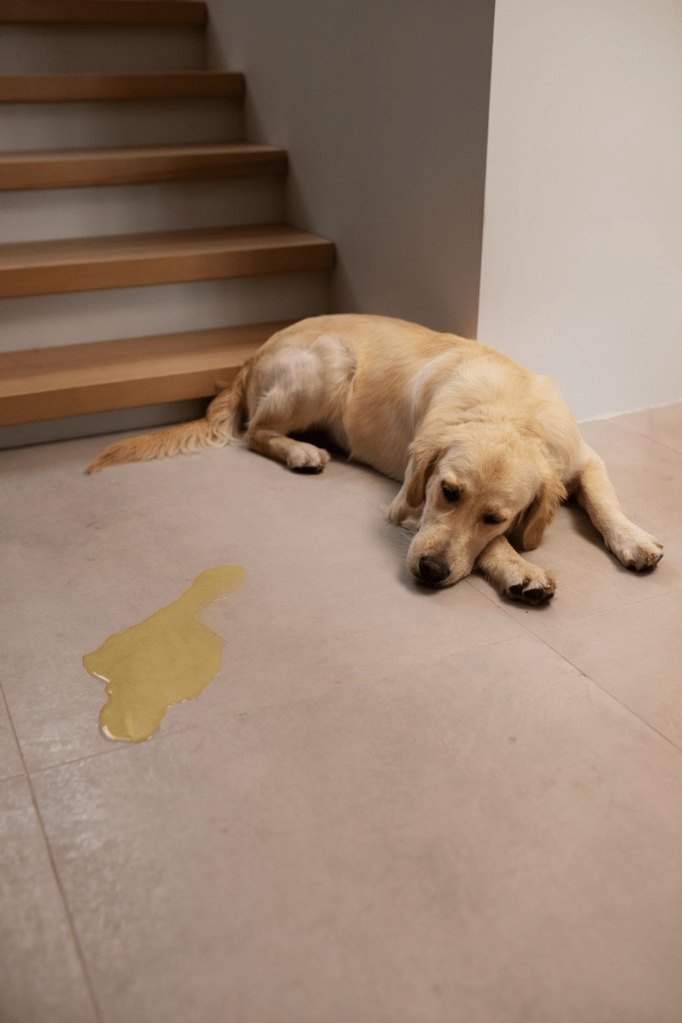
Separation Anxiety
This is one of the most common behavioral problems in dogs and can have serious negative effects on dog welfare.
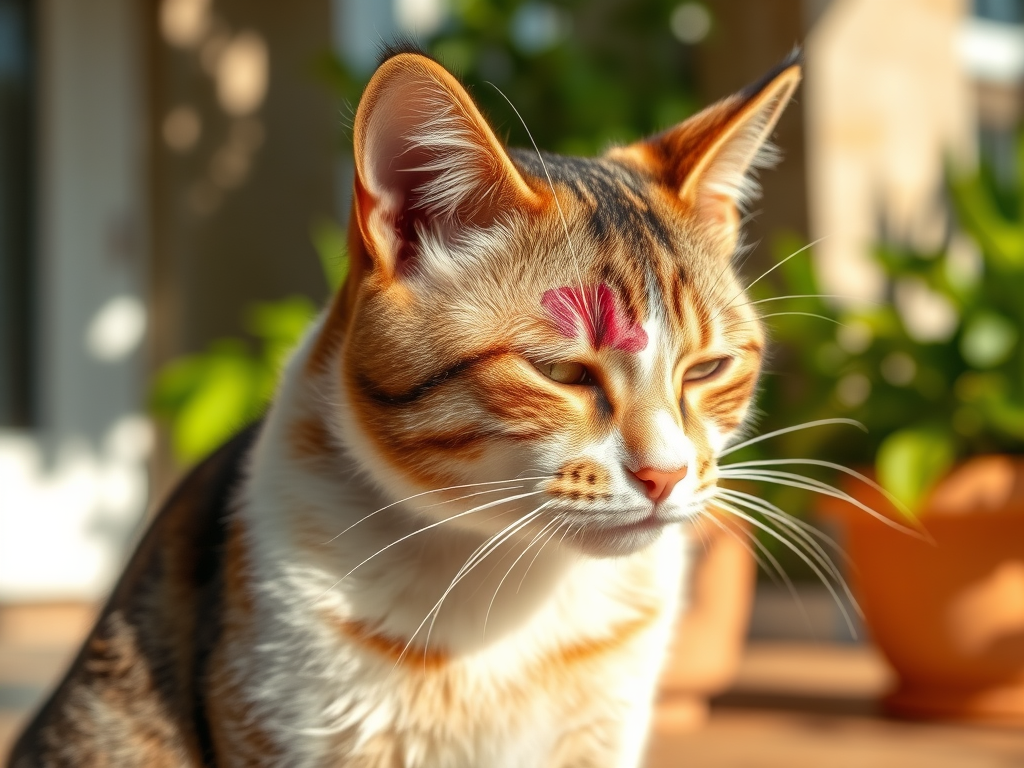
It can also be observed in cats, with symptoms such as excessive grooming, scratching furniture, excessive meowing, and inappropriate elimination (urination or defecation).
The treatment of separation anxiety may involve environmental modification, pharmacological therapy, and behavior therapy.
The latter is considered the most important part of treatment, aiming to accustom the dog to being alone and reduce its dependency on the owner. Various therapy methods are available for this condition.
All treatments for these behavioral problems should be carried out in consultation with a veterinary behaviorist. Otherwise, numerous unintended problems may arise.
Animals suffering from anxiety disorders are likely to develop contextual fear, meaning their anxiety mechanisms may be triggered simply by exposure to the same place where they experienced a distressing event, or by encountering an object, smell, or surface associated with their fear. As a result, exercises aimed at helping animals cope with abandonment must follow a specific training model and be completed step by step. In this regard, pet owners should be advised to remain patient. Again, treatments for all these behavioral problems should be undertaken with the guidance of a veterinary behaviorist to avoid undesirable outcomes.
Causes of Anxiety:
• Genetic factors: Some animal breeds have been found to be genetically predisposed to anxiety. Examples include Pinchers and Terriers, as well as British Shorthair cats.
• Environmental factors,
• Neurochemical imbalances,
• Past trauma: Anxiety is highly likely to develop in young animals separated early from their mothers if they do not fully develop biting control and a sense of security by the age of two.
High-protein diets can inhibit serotonin binding in the body, creating a foundation for aggressive behavior in animals.
Things to ensure the mental well-being of your dogs and cats:
For dogs:
• Consistent walking times: If you take your dog for walks regularly, such as in the morning and evening, the dog will form expectations, and it is important not to disrupt this routine.
• Playtime.
• Regular feeding: Disruptions can lead to other diseases and imbalances in the body.
• Avoid disappointment: For example, showing food without giving it or showing a leash without taking the dog for a walk can lead to frustration.
• Proper hierarchy: Feeding from the table and tolerating biting behaviors in puppies can make it much harder to control the dog as it grows. Owners should approach their dogs as mentors. Relationships should be based on positive training, without punishment. If a dog does not establish proper human relationships, it may develop a dominant nature and feel overly burdened with social responsibilities, which can trigger anxiety.
For cats:
• Cats are solitary creatures by nature and generally enjoy spending time alone, except during mating periods. They are highly active animals, especially at night. Therefore, it is crucial to provide hunting-based games, toys, and setups at home to allow them to expend their energy properly.
• Litter should be at least 7 cm deep: In the wild, cats are both predators and prey, and predators can locate cats by the unique scent of their feces. To minimize this stress, the location of the litter box should be carefully chosen. It should be placed far from food and water dishes. Additionally, the size of the litter box should be 1.5 times the length of the cat.
• Cats prefer toys that make sounds, emit light, produce scents, or are interactive and movable.
• Cats should be fed on a free-feeding (ad libitum) basis. A cat experiencing food-related stress due to an empty dish may trigger anxiety. Therefore, to minimize this stress, the food bowl should not be left empty.• Provide a designated, safe space within the home, such as a cushion or a small bed. This space allows your cat to retreat to a secure spot when it feels anxious, helping it feel safe in the home.
This blog post has been verified by Doctor of Veterinary Medicine Bedirhan AKYÜZ
SOURCES
Amat M., Camps T.,Le Brech S., Manteca X. (2023). Separation anxiety in dogs: the implications of predictability and contextual fear for behavioural treatment. https://www.cambridge.org/core/journals/animal-welfare/article/abs/separation-anxiety-in-dogs-the-implications-of-predictability-and-contextual-fear-for-behavioural-treatment/C9D6C7BEF4CD7E6002316A6C001CA55F?utm_campaign=shareaholic&utm_medium=copy_link&utm_source=bookmark
Demirbaş S.Y., Öztürk H. (2023). Kedi ve Köpek Hekimliği, klinik davranış bozukluklarına yaklaşım. Ankara, Türkiye: Ender YARSAN. Son Erişim Tarihi 29.09.2023

 VETEXPLAIN