

Fungi are unicellular or multicellular eukaryotes. Molds, yeasts, and edible mushrooms, which we encounter in our daily lives, also belong to the fungal kingdom.
The significance of fungal infections has increased in recent years, affecting both animals and humans. Chemical substances produced by fungi, known as mycotoxins, can have toxic effects on warm-blooded vertebrates. Poisoning caused by aflatoxins and ochratoxins represents a significant threat to the health of both animals and humans.

Fungi are classified into three groups based on their host preferences: soil-associated fungi, human-specific pathogens, and zoophilic fungi, which we will focus on more. Zoophilic agents are pathogens of mammals and birds but can also be transmitted to humans through contact. The members of this group are listed below:
- Microsporum canis
- Microsporum equinum
- Microsporum gallinae
- Trichophyton mentagrophytes
- Trichophyton simii
- Trichophyton verrucosum
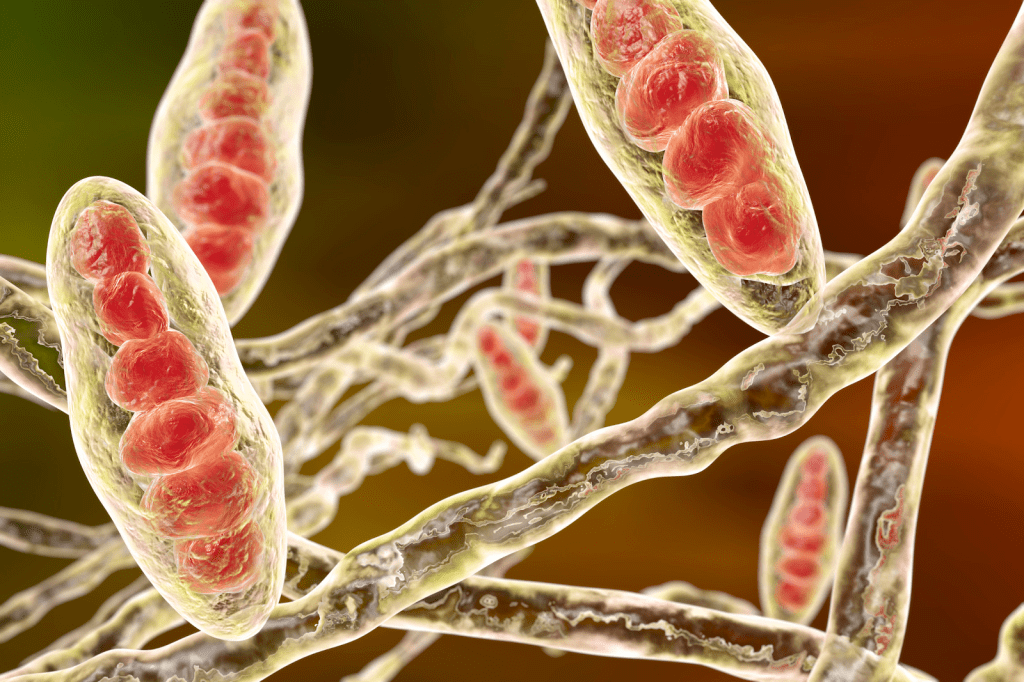
Trichophyton mentagrophytes illüstrasyonu
The agents of zoophilic fungal species colonize and reproduce in the keratin layer of hair and nails. These species, which cause infections on the surface of hair, nails, and skin, are also referred to as dermatophytes. Some predisposing factors include:
- Exposure to high humidity and heat or the lack of sunlight in environments with animals
- Damage and trauma to the skin caused by factors such as brushing fur or the use of collars and chains
- Conditions that lead to immune system suppression, including infections, treatment with immunosuppressive drugs, and stress
- Damage caused by external parasites on the skin
- Poor grooming, inadequate feeding, and vitamin A deficiency
It would be beneficial to examine the species Microsporum canis, which is the most commonly observed zoophilic type in both dogs and cats. A significant number of cats and dogs are carriers of this species, meaning that despite not showing symptoms of the disease, they can still cause infections when the aforementioned predisposing conditions arise.
Symptoms may include:
- Localized or generalized hair loss
- Flaking and crusting on the skin
- Reddened areas on the skin, papules, and hyperpigmentation
- Itching and irritation due to scratching
Microsporum canis
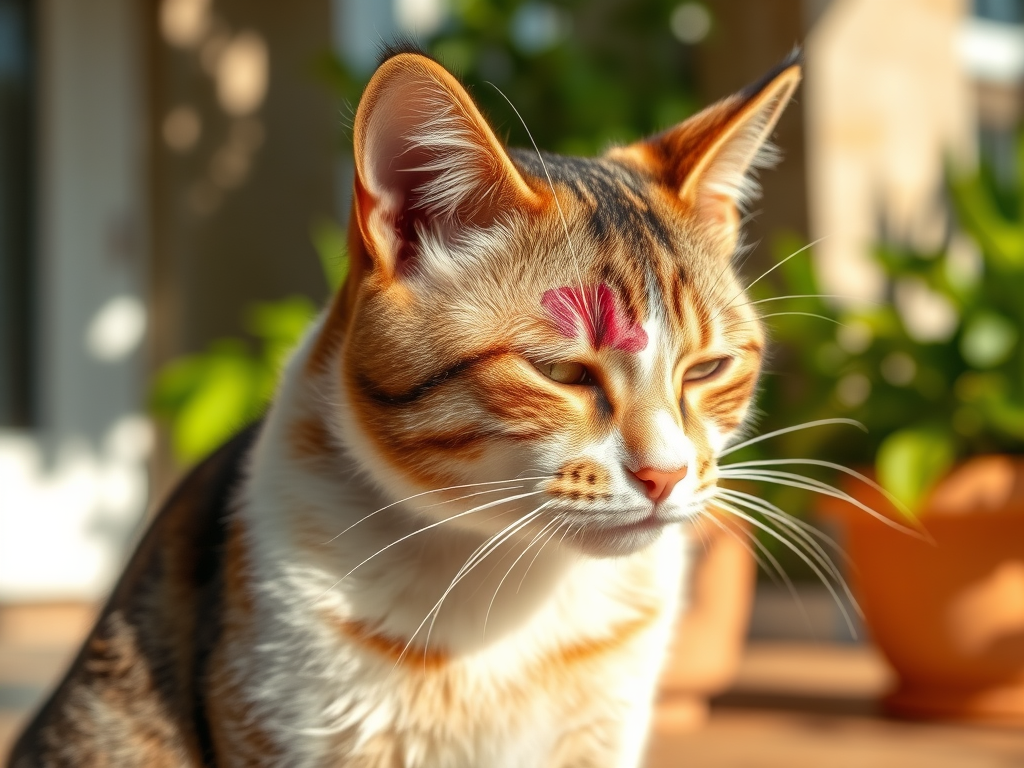
M. canis spores are highly resilient and can spread rapidly. Young, long-haired animals are particularly susceptible. The disease initially appears as hair loss, widespread alopecia, and circular areas on the skin. As the condition progresses, these circular areas can become ulcerated (deep inflammation) and may present with yellow exudative dermatitis (skin inflammation).
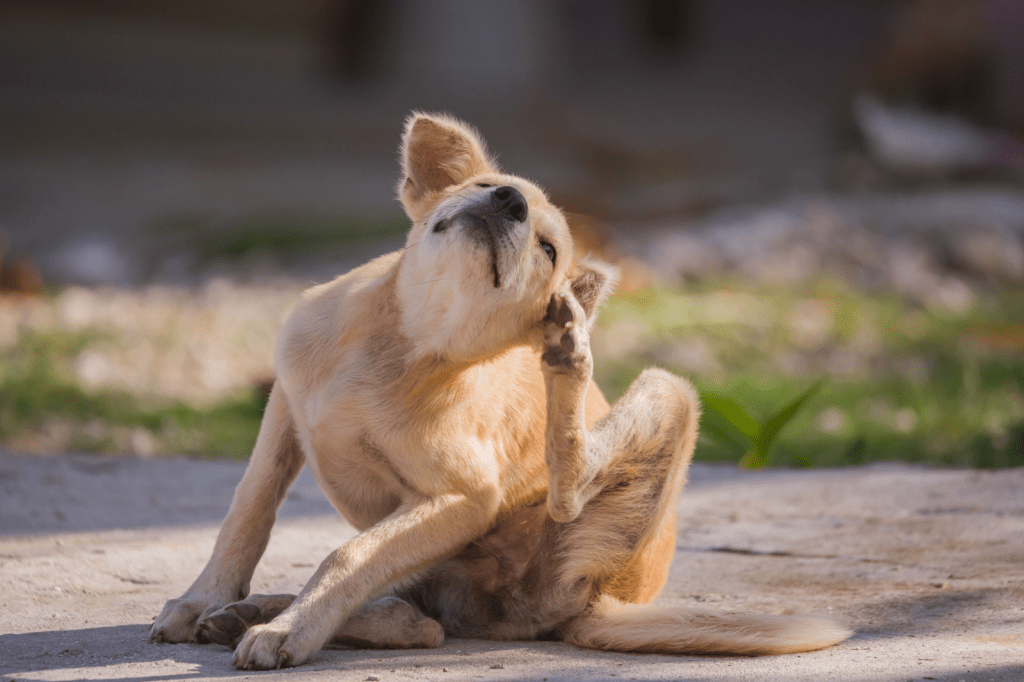
Observing these symptoms in your animal is not exclusive to this fungal species, as more systemic fungal infections can also begin with similar signs. They can affect not only the skin but also organs in the body, primarily the lungs. In such cases, eye disorders such as conjunctivitis (inflammation of the outer layer of the eye) and corneal opacity, along with symptoms like loss of appetite, cough, and lethargy, may accompany skin lesions.

Cryptococcosis, caused by Cryptococcus neoformans, is the most commonly observed systemic fungal disease in cats. More than half of affected cats experience upper respiratory tract disorders, with symptoms including sneezing, nasal discharge, and the presence of masses in the nasal passages.
When you observe the symptoms mentioned, be sure to consult your veterinarian to establish a treatment plan. Addressing the infection before it progresses will be beneficial for your animal.

The most effective way to protect your animal is to eliminate the predisposing factors. Additionally, during this process, you should reduce direct contact with your animal by using gloves, as there is a possibility that you may be affected if it is infected with a zoophilic species. Since outdoor animals you pet can also be asymptomatic carriers, you should always disinfect your hands before coming into contact with your own animal; this precaution is necessary not only for fungal infections but also for all contagious diseases.
This blog post has been verified by Doctor of Veterinary Medicine Yunur Emre AŞICI.
SOURCES
İstanbul Üniversitesi- Cerrahpaşa Veteriner Fakültesi Mikrobiyoloji Kürsüsü, Doç. Dr Kemal METİNER, Mikotik Enfeksiyonlar
MERCK Manual. “Dermatophytosis in Dogs and Cats”. Erişim: 11.11.2023
https://academic.oup.com/mmy/article/56/suppl_1/S165/4925968
Niyo KA, Richard JL, Niyo Y et al. Effects of T-2 mycotoxin ingestion on phagocytosis of Aspergillus fumigatus conidia by rabbit alveolar macrophages and on hematologic, serum biochemical, and pathologic changes in rabbits. Am J Vet Res. 1988; 49: 1766–1773.
Niyo KA, Richard JL, Niyo Y et al. Pathologic, hematologic, and serologic changes in rabbits given T-2 mycotoxin orally and exposed to aerosols of Aspergillus fumigatus conidia. Am J Vet Res. 1988; 49: 2151–2160.
Oxford Academic. “Fungal infections in animals: a patchwork of different situations”. Erişim: 11.11.2023

 VETEXPLAIN
Yorum bırakın