

The name of the thyroid gland originates from the Greek word “thyreos,” meaning “shield.” This name reflects the thyroid’s physical appearance, as it wraps around the trachea much like a shield. The earliest recognized thyroid disorders were associated with iodine deficiency and enlargement of the thyroid gland.
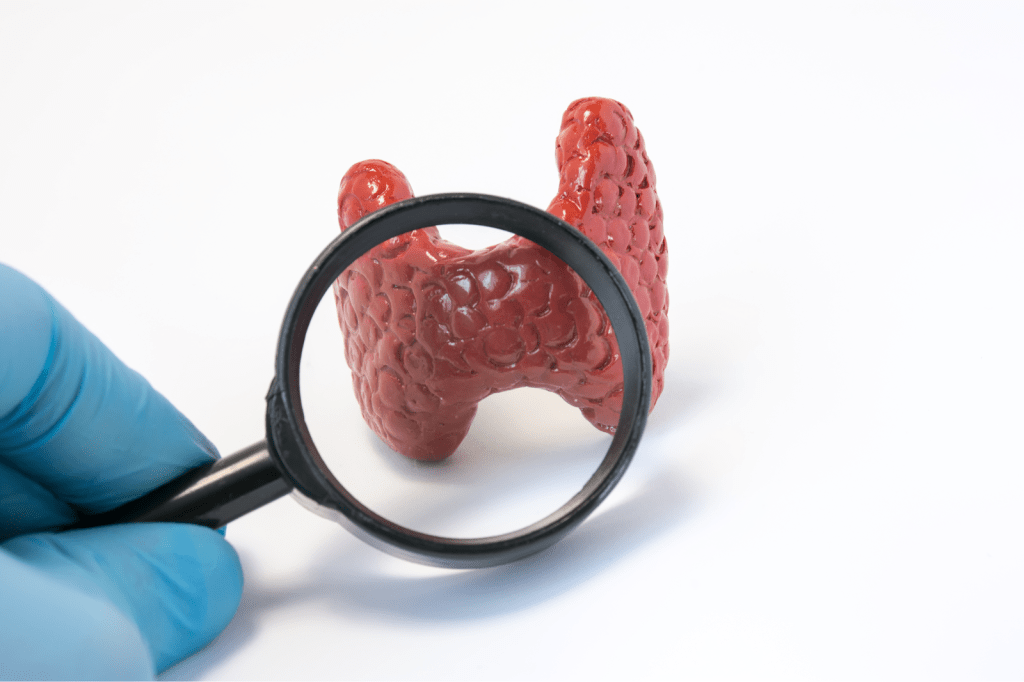
Thyroid hormones play a vital role in regulating metabolic processes, impacting the activity and concentration of numerous enzymes and hormones and controlling responses from target glands. Particularly during the fetal period and the first few months after birth, thyroid hormones are essential for the growth and development of the central nervous system and skeletal system. They also regulate the synthesis, metabolism, and distribution of fundamental building blocks in the body, such as carbohydrates, fats, and proteins.
Hypothyroidism can result from abnormalities in the thyroid gland, decreased levels of TSH (thyroid-stimulating hormone) from the pituitary gland, or issues in any stage of thyroid hormone synthesis. It is the most common hormonal disorder in dogs, which can be congenital or acquired. Congenital thyroid issues often lead to early death in puppies and are typically undetectable.

Certain breeds are particularly prone to hypothyroidism; among them are Dobermans, Retrievers, Spaniels, Shetland Sheepdogs, and Irish Setters. Age and diet are also significant factors, with the average age of affected dogs reported as seven, and the incidence of the disease increasing as dogs get older.
Hypothyroidism acquired during a dog’s lifetime is classified as primary if it stems from issues within the thyroid gland itself or secondary if it results from issues with TSH secretion or a deficiency in receptors stimulated by thyroid hormones. Primary hypothyroidism is the most common type and has two forms: lymphocytic thyroiditis (an inflammation of the thyroid gland involving lymphocytes, which are defense cells) and idiopathic atrophy (an unexplained shrinking of the thyroid gland).
A deficiency in the system that regulates thyroid hormones has a effect on all metabolic functions and organs. The disease progresses slowly, often causing symptoms to emerge gradually and go unnoticed until they become urgent. The most common symptoms include:
• Lethargy (fatigue/lack of energy),
• Depression,
• Reluctance to exercise,
• Weight gain unrelated to appetite or food intake,
• Hair loss,
• Thickening of the skin around the eyes and forehead,
• Hyperpigmentation of the skin in the abdominal area,
• Anemia,
• Hyperlipidemia (increased lipid levels in the blood).

Obesity is seen in about 40% of dogs with hypothyroidism. These symptoms may only become noticeable in animals that have had the disease for an extended period. Changes in the skin and coat are among the most commonly observed signs of the disease and can vary depending on the dog’s breed and whether the condition is acute or chronic. Reduced coat quality, and in some breeds, a wooly appearance of the skin, may accompany excessive hair shedding.
Neurological disorders associated with the disease vary; these may include megaesophagus (enlargement of the esophagus), paralysis affecting the larynx and facial nerves, and vestibular system diseases, which impact balance and coordination. Neurological symptoms are less frequent than metabolic and dermatological signs and may not always improve with hormone therapy.
Myxedema coma is a rare but acute syndrome associated with severe hypothyroidism. It develops rapidly, progressing from lethargy to stupor and then to coma. Along with other symptoms of the disease, this condition typically includes difficulty breathing, hypotension (low blood pressure), a decrease in heart rate, and hypothermia. It is a hormonal emergency with a high mortality rate.
If you observe any of these symptoms in your dog, it is essential not to delay consulting your veterinarian, as these signs often appear in advanced stages of the disease. Depending on the source of the problem, thyroid damage may be reversible; however, hypothyroidism is more commonly associated with irreversible thyroid damage.
This blog post has been verified by Doctor of Veterinary Medicine Emrullah ÖKSÜZ.
SOURCES
Feldman EC., Nelson RW., Reusch C., Scott-Moncrieff JC., Behrend E., (2015), “Canine & Feline Endocrinology”, 77-90
Mooney CT. (2011), “Canine hypothyroidism: A review of etiology and diagnosis”, New Zealand Veterinary Journal, 59:3, 105-114

 VETEXPLAIN
Yorum bırakın