
Although many people would like to share their lives with the first pets that come to mind, namely cats and dogs, due to the busy pace of life, they often turn to different types of pets. After cats and dogs, birds are among the most frequently considered animals for adoption.
In this blog post, we will focus on the Sultan parakeet, a popular bird species for keeping at home, and provide information and tips for first-time owners considering adopting one.
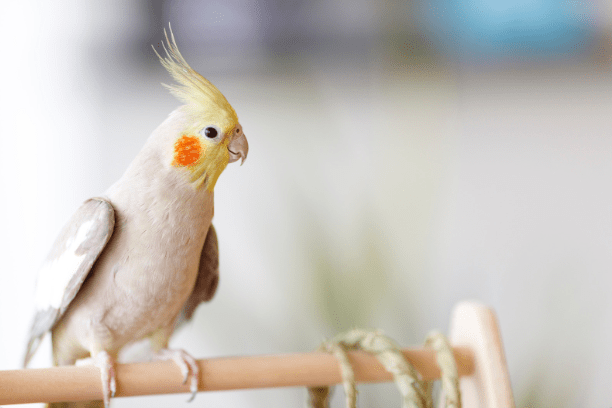
Why Are Sultan Parakeets So Popular Among Birds?
Sultan parakeets are known for being very friendly, cheerful, non-destructive, easy to train, and relatively inexpensive compared to other birds. Although their ability to speak is limited (it is known that males tend to speak better), they are excellent companions for first-time pet bird owners due to their fantastic whistling abilities and long lifespans.
General Characteristics of Sultan Parakeets
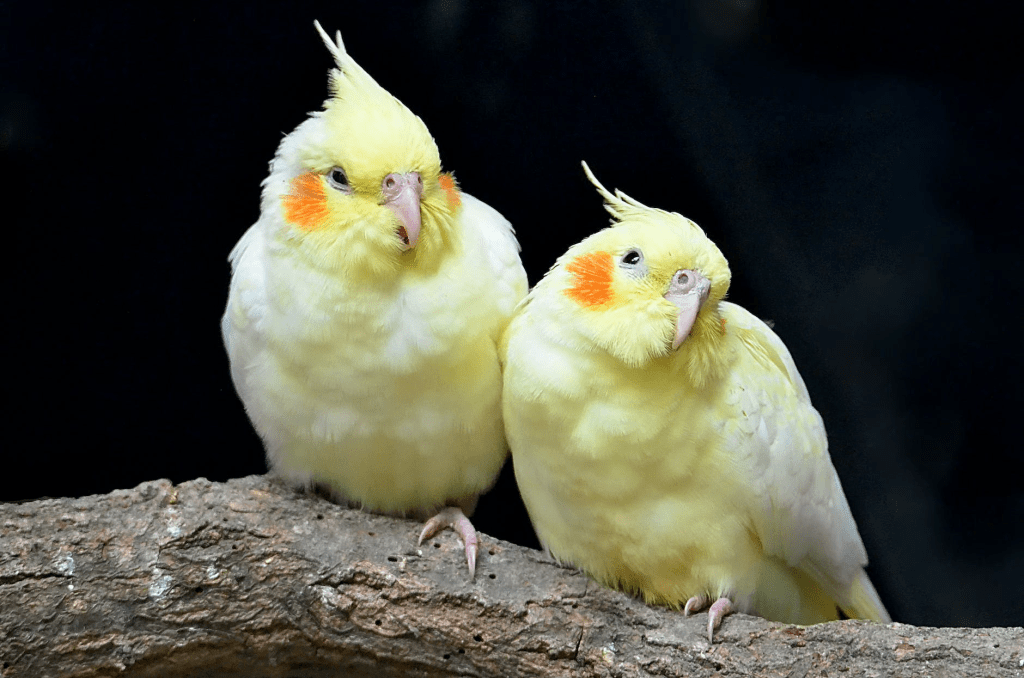
Sultan parakeets are not among the larger parrot species in terms of size, and their origin is Australia.
Their feathers are mostly white with a wing pattern that is brownish-gray.
The males have yellow crests, with yellow coloring on the front of their heads, necks, and cheeks.
They are known to be monogamous.
They can live in relatively small cages and can survive for long periods without flying.
Males are generally more vocal and active than females. The females have smaller crests and share the same basic color patterns as the males.
Their incubation period is 18-22 days, and they usually lay between 4 and 7 eggs.
Mature Sultan parakeets can breed year-round.
Responsibility
As mentioned above, Sultan parakeets are relatively easy to care for in a cage and generally do not cause many problems. However, they cannot live a healthy life just by being provided with food and water and having their basic care attended to.
These birds enjoy staying in contact with their owners and are able to express their needs through their behavior and actions. Sultan parakeets place great importance on receiving attention from their owners. When they are neglected, they can become stressed, which may lead to feather-plucking, and this, in turn, makes them more vulnerable to serious health issues.
Cage
The size of the cage for pet birds depends on the number of birds to be kept in it and the size of the bird. Additionally, regardless of the number of birds, the species of the bird to be housed also plays a significant role in determining the appropriate cage size.
For Sultan parakeets, the cage should be large enough to allow the bird to fully extend its wings in all directions. When they are allowed to roam freely, Sultan parakeets that spend only a small portion of the day in their cage can live in smaller cages compared to those that stay in their cages all day long.
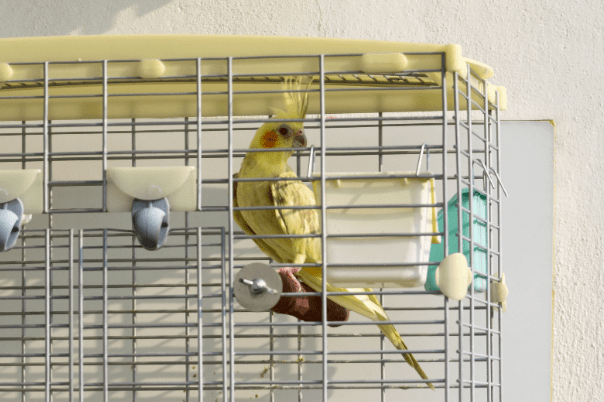
Rather than long cages, which are typically more vertical, wide cages with flat edges are recommended for Sultan parakeets, as they prefer to move horizontally.
Sultan parakeets place great importance on sleep, so cage covers can be used to provide a proper sleeping environment.
The bars of the cage should be arranged horizontally to allow for climbing and should be resistant to pecking (plastic bars are used for smaller pet birds, while painted wooden bars and stainless steel are used for larger pet birds).
The cage should be made from materials that are easy to clean and should meet the size requirements mentioned above.
In addition to these considerations, the location of the cage is also very important. Cages should be placed in areas that are protected from extreme weather conditions, such as areas with no drafts, and in calm environments where the bird will not be stressed. The cage should be positioned in a place where it cannot be knocked over, in corners of rooms that are secure on both sides, and in areas with low human traffic. If there are other pets in the home, the cage should be placed where they cannot disturb the bird.
It’s important to note that changing the cage’s location can stress the parakeet, as they do not like their environment to be altered.
Inside the Cage
Commercially designed cage accessories that are primarily for show can be dangerous for your parrot. For example, zinc poisoning caused by incorrect coatings is a serious concern.
Perches, which are crucial for your parrot, should not restrict their movements and should be made of materials that are easy to clean, such as round plastic or wood. However, if possible, natural tree branches (such as hazel, willow, plane tree, and fruit trees that have not been treated with pesticides) are the best options for perches. The diameter of the perch should be suitable for the bird to easily grip.

Food and water bowls should be made from materials that can withstand the parrot’s strong beak, and stainless steel, glass, or ceramic products designed for this purpose are ideal choices. Additionally, it is recommended that food and water bowls be placed separately, as parrots may dip their food into the water, which can promote bacterial growth.
Toys used for the parrots entertainment should not only be safe but also be appropriate for Sultan parakeets, as some toys can be quite dangerous. Toys made from cotton fibers should be avoided. These types of toys can be torn apart and swallowed by your curious and strong-beaked bird, which may lead to digestive system issues. Cheap, flimsy toys are also not advisable, as they can break into small pieces that the bird can swallow, potentially causing poisoning or intestinal blockages.
Feeding
Contrary to popular belief, while filling the food bowls completely and waiting for them to empty may seem practical, it can lead to problems. If the food in the bowl runs out and is not noticed, it can result in your parrot going hungry. Additionally, in cases of poor appetite, food left in the bowl for a long time can come into contact with feces, attracting flies and other pests.
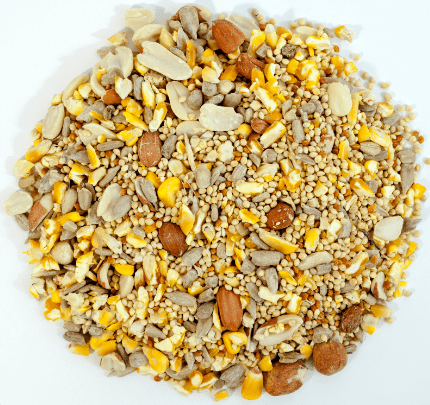
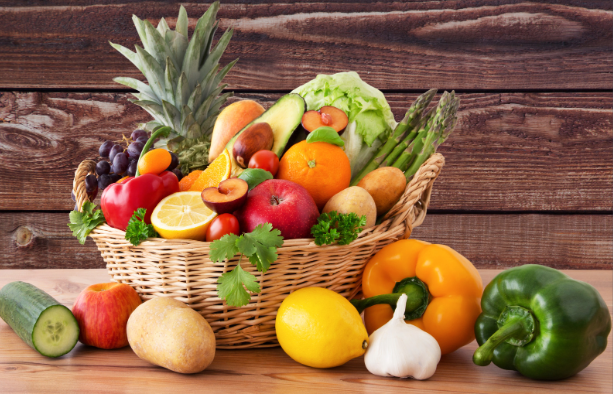
Seed mixes specifically designed for parrots can be used as food, but it is essential to supplement their diet with vegetables and fruits alongside the seeds.
It’s important to remember that some fruits and vegetables are toxic to parrots (e.g., avocado), so it’s always best to consult a veterinarian.
Water bowls should be filled with fresh water daily.
Cleaning
Cages and cage accessories should be cleaned regularly. The cleaning process should involve removing large debris, washing, and thoroughly disinfecting with a non-harmful disinfectant.
Leftover food, stagnant water, and feces can attract bacteria and parasites. Therefore, cleaning should be done consistently and should not be neglected.
Parrot Grooming
Under this heading, parrot owners should pay attention to three main tasks:
- Beak
- Nails
- Feather trimming
These procedures should always be done with the advice of a veterinarian.
General Condition and Health
A healthy Sultan parakeet is cheerful and very active. Its feathers should be well-maintained and shiny. The eyes should appear bright, and the feathers around the eyes should be dry.
The beak should be shiny and smooth, and the nostrils should appear clear and dry.
If you notice any of the following signs, such as lethargy, puffed-up feathers, discharge from the eyes, inability to open the eyes, redness in the eyes, weakness, loss of appetite, blockage or discharge from the nostrils, coughing, etc., or if you see any changes in the bird’s general condition, you should take your Sultan parakeet to a veterinary clinic immediately.
This blog post has been verified by Doctor of Veterinary Medicine Ekin TOPKAYA.
SOURCES
ÖZSOY, S. (2012) Papağangil Ve Ötücü Kafes Kuşu Hastalıkları. İstanbul, Türkiye: Serhat ÖZSOY, Son erişim tarihi: 29.10.2023
DONELEY, B. (2016) Avian Medicine And Surgery İn Practice. Bob DONELEY, Son Erişim Tarihi: 29.10.2023

 VETEXPLAIN