

When we think about coprophagy, a behavior observed in many animals, it’s often associated with physiological needs or specific survival strategies. While primarily seen in rodents and lagomorphs (rabbits and similar species), it is also exhibited to a lesser extent by piglets, foals, dogs, and non-human primates. For rodents and rabbits, the unique structure of their digestive systems makes coprophagy essential for obtaining critical nutrients. This behavior is intricately tied to other behavioral and physiological factors. In rodents, lagomorphs, and potentially in piglets and foals, re-ingesting feces provides nutritional benefits, as feces can contain undigested vitamins, minerals, amino acids, and other resources beneficial to the animal’s health.
Coprophagy in Dogs
Dog owners often observe coprophagy in their pets. Research indicates that nearly 50% of domestic dogs engage in this behavior at least once during their lives, with approximately 28% repeating it regularly. Studies suggest that this behavioral anomaly in companion dogs is linked to factors such as obedience training, walk frequency, and the amount of time spent alone at home. Unverified theories propose that diet can influence coprophagy in dogs, with high-carbohydrate (starch) intake, insufficient vitamin B1 (thiamine), poorly digestible diets, and low-fiber meals all potentially contributing to the behavior. Additionally, the presence of multiple dogs in a household can lead to learned coprophagy among them.
While coprophagy in dogs may have ancestral roots, its exact digestive function remains unclear. It becomes a clinical concern when caused by digestive disorders or chronic stress. Otherwise, it is often considered normal behavior. Despite limited data, the following are potential causes of coprophagy in dogs:
• Nursing mothers may engage in coprophagy to maintain hygiene and protect their pups by removing the scent of feces to avoid attracting predators.
• The behavior can develop when dogs live with other coprophagic animals.
• Stress may trigger this behavior in some dogs.
• Punishment from owners, being fed only once a day, and an unbalanced diet may contribute to the development of coprophagy.
• Deficiency in pancreatic enzymes may also lead to this behavior.
Coprophagy may also signal health or psychological issues, such as nutrient deficiencies, improper digestion, or stress. It might also indicate the presence of parasites that deprive the dog of essential nutrients and energy.

There are two types of coprophagy:
1. Autocoprophagy: Eating one’s own feces.
2. Allocoprophagy: Consuming feces from other animals.
Both behaviors are observed in dogs.
Coprophagy in Cats
In cats, coprophagy is less common and typically considered a behavioral issue. Feces may contain parasites and bacteria harmful to cats. Occasional feces consumption might occur as part of cleaning behavior, but it is not physiologically necessary. Common causes of coprophagy in cats include:
• Medical causes: Diabetes, thyroid disorders, malnutrition, and vitamin deficiencies.
• Psychological causes: Attention-seeking, dissatisfaction with litter box hygiene, stress, anxiety, and boredom.
Coprophagy in Rabbits
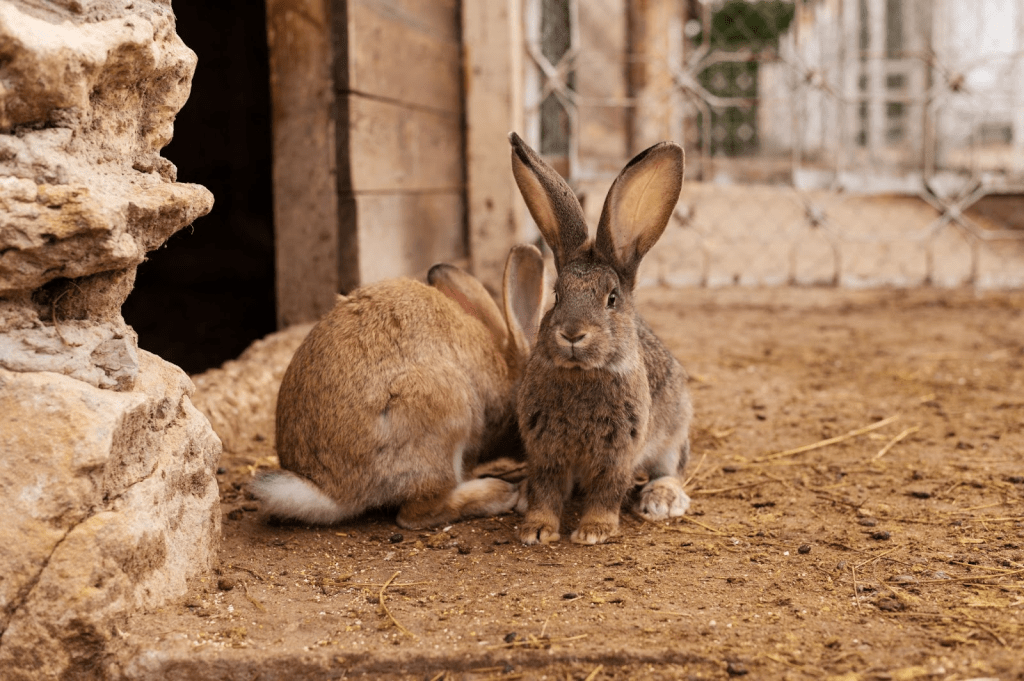
In rabbits, coprophagy is a completely physiological and vital process for nutrient absorption. Rabbits produce two types of feces: hard and soft. While hard feces are excreted, soft feces (cecotrophs) are re-ingested directly from the anus without chewing.
• Cecotrophs: These nutrient-rich soft feces account for approximately one-third of a rabbit’s excretions and are high in crude protein and vitamins. Domestic rabbits produce them at night, while wild rabbits produce them during the day. Re-ingestion ensures complete nutrient absorption.
The ability to temporarily rely on hard feces allows rabbits to endure periods without food, offering behavioral flexibility and ecological advantages. The absence of coprophagy significantly reduces feed efficiency in rabbits, negatively affecting growth performance.
This blog post has been verified by Doctor of Veterinary Medicine Ekin TOPKAYA.
SOURCES
VENDRAMİNİ T.H.A., GOMES V.Z., ANASTACİO G.L., vd. (9 aralık 2022). Yetişkin Köpeklerde Koprofajik Davranışın Diyet Besin Maddeleri ve Dışkı Fermantasyon Ürünlerinin Sindirilebilirliği Üzerindeki Etkisinin Değerlendirilmesi. Sao paulo, Brezilya.https://www.mdpi.com/2306-7381/9/12/686#B2-vetsci-09-00686
Wang Z., He H., Chen M., Ni M. vd. (10 mayıs 2023). Koprofajinin önlenmesinin tavşanların büyüme performansı, serum biyokimyası ve bağırsak mikrobiyomu üzerindeki etkisi. Zhengzhou, Çin. https://bmcmicrobiol.biomedcentral.com/articles/10.1186/s12866-023-02869-y#citeas
BEYNEN AC. (2020). Diet and canine coprophagy. https://www.researchgate.net/publication/342657293_Beynen_AC_2020_Diet_and_canine_coprophagy?enrichId=rgreq-2f928ad7fd44de5f79f3ad66cac3cf8d-XXX&enrichSource=Y292ZXJQYWdlOzM0MjY1NzI5MztBUzo5MDkxMjA0NzEzMjI2MjZAMTU5Mzc2MjYxOTUwNQ%3D%3D&el=1_x_3&_esc=publicationCoverPdf
 VETEXPLAIN