
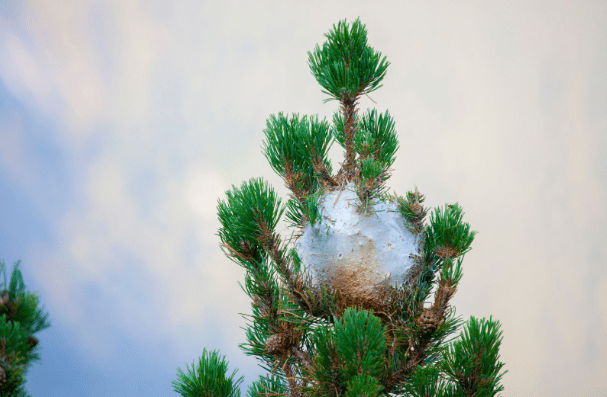
What is the Pine Processionary Caterpillar?
Known as the Pine Processionary Moth, Thaumetopoea pityocampa is a butterfly species belonging to the Lepidoptera family.
Members of this family inhabit pine trees and can cause harm to pine forests, as well as to humans and animals. The pine processionary caterpillar (Thaumetopoea pityocampa Schiff) is particularly destructive in pine forests across the Mediterranean, Aegean, and Marmara regions. It is well-documented that many winged insects and butterfly species can trigger inflammatory reactions in living 9organisms. Feeding on the needle-like leaves of pine trees, these caterpillars compromise plant health, while the allergens they carry can lead to health issues in humans and animals.
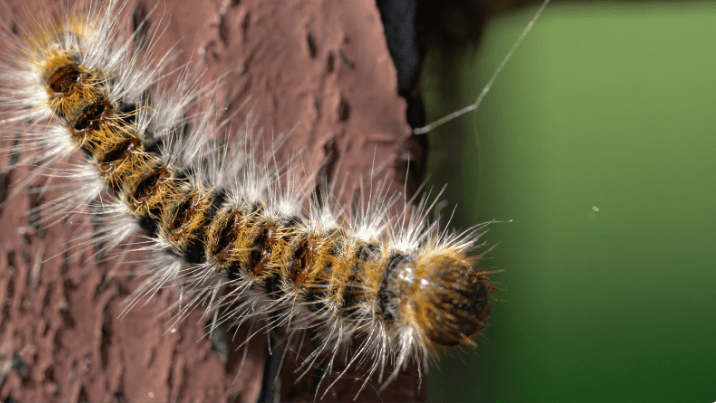
In the L4 and L5 larval stages, the hairs covering the pine processionary caterpillar contain toxic proteins, which can induce a variety of reactions depending on the route of contact with the host organism. The toxic proteins within these hairs provoke necrotic, ulcerative, and edematous reactions at contact sites. Data indicate that contact most often occurs orally, leading to necrosis, ulceration, and edema on the tongue, palate, and gums within the oral cavity. In severe cases, partial loss of the tongue may occur.
What are the Risks to Cats and Dogs?
The life cycle of a pine processionary moth is divided into four stages: egg, larva (caterpillar), chrysalis (the transformation stage from larva to adult), and moth (adult stage). For our companion animals, the danger arises when mature larvae typically leave their nests, usually between March and April. They descend tree trunks in a single-file line, forming a long chain-like structure. Unfortunately, cats and dogs may be visually attracted to this moving chain of larvae.
These caterpillars are gray in color, with a yellowish band of irritating hairs along their backs. They contain a protein substance that triggers severe irritation in animals upon contact. Dogs are at the highest risk due to their tendency to sniff and bite anything they encounter.

Symptoms
Excessive Salivation: If a dog suddenly begins to drool intensely and excessively, it is highly likely that they have come into contact with or ingested pine processionary caterpillars.
Swollen Tongue: If the caterpillars attach to a dog’s tongue, their hooked and stinging hairs can cause real injury. The resulting allergic reaction may cause the dog’s tongue to swell, creating a risk of suffocation.
Recognizing the symptoms exhibited by animals in response to contact with pine processionary caterpillars is crucial for limiting potential harm. If left untreated, these symptoms can lead to very serious and sometimes fatal outcomes. Cats also enjoy exploring their surroundings through scent, which puts them at risk of encountering these caterpillars. Signs of infection in cats are often very similar to those observed in dogs.
Infection may also present through additional mild symptoms, such as fever, diarrhea, loss of appetite, and lethargy. In such cases, prompt intervention is recommended to protect your four-legged companion. Close attention should be paid to your pet’s behavior while in parks or pine forests.
If your area is known to have high caterpillar populations, it is advised to use a muzzle when walking your dog to prevent ingestion of these insects. Additionally, these insects tend to be active during cooler hours and at night. Avoid walking your dog during these times, or take appropriat precautions if you do.
SOURCES
Erdoğan, H., & PARLATIR, Y. (2018). Bir Köpekte Eroziv Ülseratif Stomatitis: Çam Kesesi Böceği Toksikasyonu. Journal of Advances in VetBio Science and Techniques, 3(1), 44-49. https://doi.org/10.31797/vetbio.402265



 VETEXPLAIN
Yorum bırakın