
This blog post is about extinct or endangered animal species that have disappeared over the years due to natural selection, natural disasters, or human actions such as excessive hunting, causing global warming, and destroying natural habitats due to uncontrolled population growth.
So, let’s take a look at some of these magnificent animals that, unfortunately, are now extinct.
1- CASPIAN TIGER
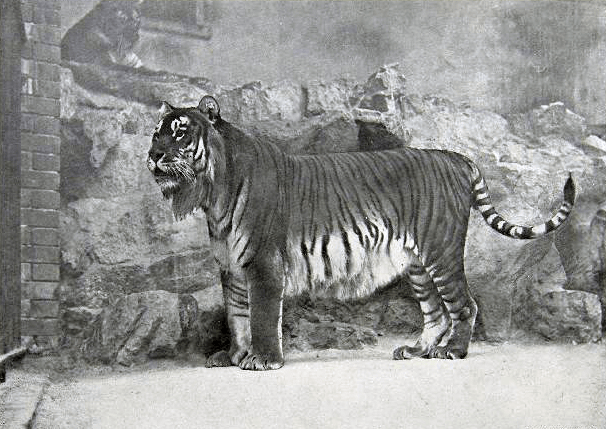
The Caspian tiger’s closest relative is the Siberian tiger. The Caspian tiger was slightly smaller than the Siberian tiger but larger than all other tiger species. Its stripes were very straight, dense, and long. While black dominated its head, nape, back, and tail tip, the rest of its body and limbs had brown/cinnamon tones. The lower body and neck were white and looser, while its ears were short.
Male Caspian tigers measured between 270–295 cm in length and weighed around 170–240 kg, while females measured between 240–260 cm and weighed around 85–135 kg.
The last known Caspian tiger died in Russia in 1970.
2- YANGTZE RIVER DOLPHIN
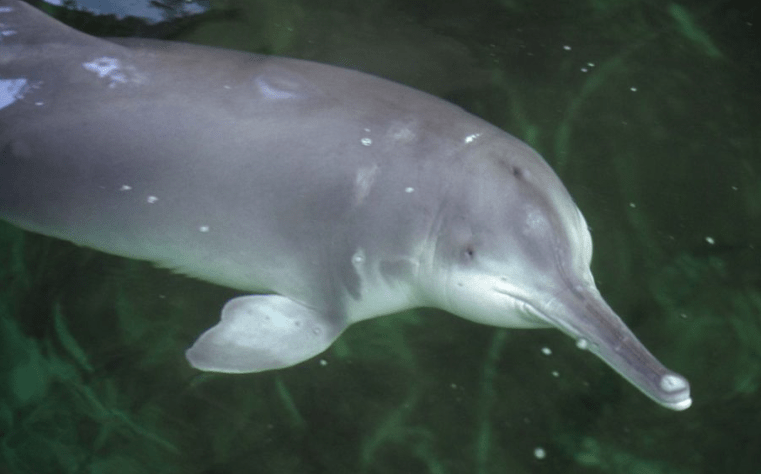
Also known as the “Baiji,” the Yangtze River dolphin was last seen in 2002.
Four years after its disappearance, a group of researchers traveled 2,000 miles along the Yangtze River to find one, but they were unsuccessful.
According to the Whale and Dolphin Conservation (WDC), the Baiji is the first dolphin species to go extinct due to human activity.
The main causes of its extinction are environmental pollution and heavy boat traffic.
3- NORTHERN WHITE RHINOCEROS
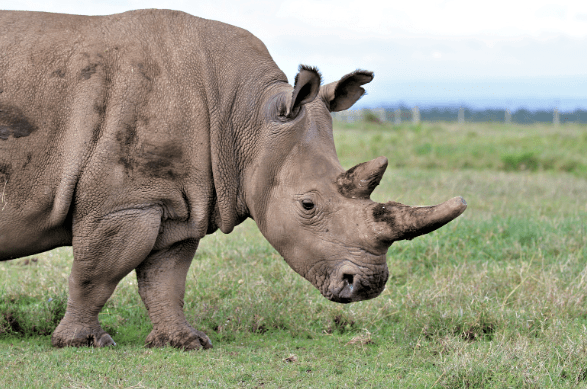
The northern white rhinoceros is one of the five remaining rhinoceros species, with only two surviving females left today.
The last male of the species, which was under protection in Kenya, died in 2018. Because of this, scientists are continuing research to prevent the species from going completely extinct.
The primary causes of their decline are poaching and habitat destruction.
4- SPIX’S MACAW
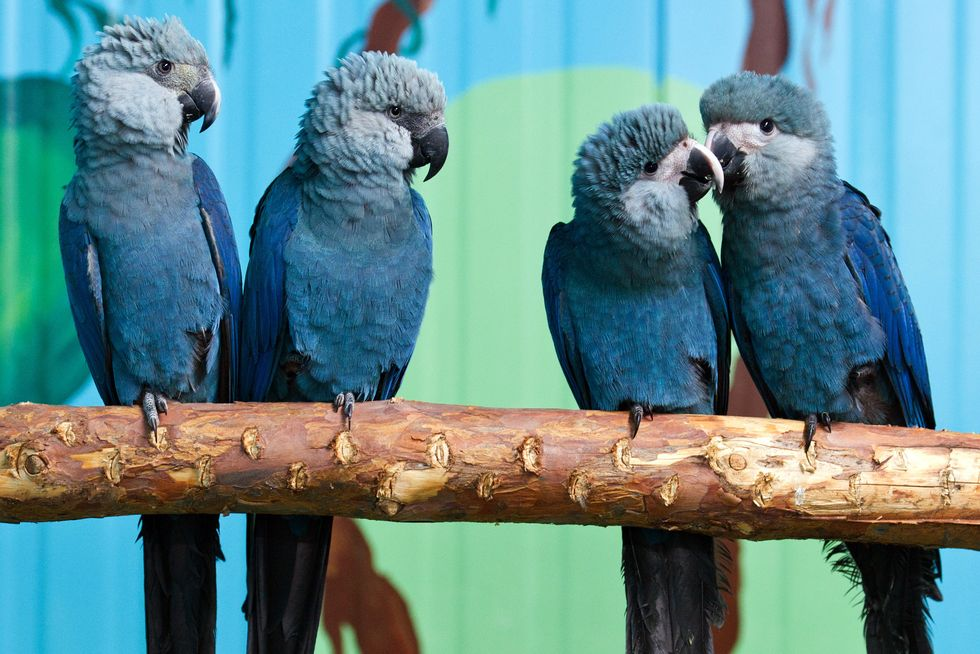
Spix’s macaw, thought to be extinct in the wild, has a worryingly low population of just 60 to 80 individuals.
For this reason, the remaining macaws are kept under observation and in captivity.
Recognized for their vibrant blue feathers, Spix’s macaws are also known as the “Little Blue Macaw.”
The main causes of their endangerment are habitat destruction and illegal trade.
5- ANATOLIAN LEOPARD

The Anatolian leopard was once found in the Eastern Mediterranean and Eastern Anatolia regions, primarily in forested and mountainous areas. Due to decreasing natural habitats and prey sources, leopards began to move closer to human settlements, which often led to them being shot or poisoned.
On November 28, 2023, the Turkish Ministry of Agriculture and Forestry shared photographs of an Anatolian leopard captured on a camera trap. This suggests that while they are still present, they remain critically endangered.
6- PINTA ISLAND TORTOISE
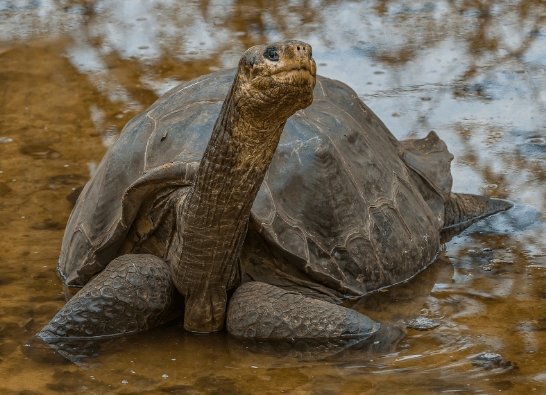
The Pinta Island tortoise was a species that existed when Charles Darwin visited the Galápagos Islands in 1835.
The distinct appearances of tortoises across the Galápagos inspired Darwin’s theory of evolution.
Unfortunately, Lonesome George, the last purebred individual of this subspecies, died in 2015.
The main causes of their extinction include:
Goats introduced by humans to Pinta Island, which destroyed the tortoises’ habitat.
Rats that preyed on young tortoises.
Humans who hunted them for their meat.
7- SMOOTH HANDFISH
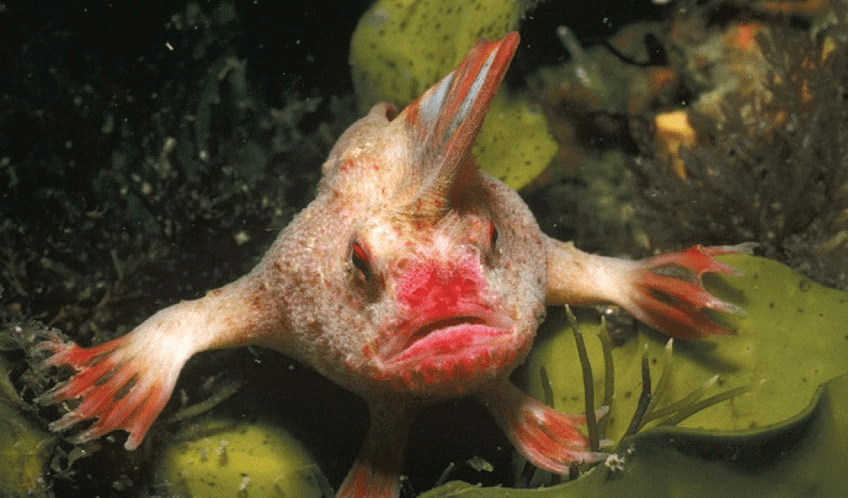
The image in the original text showed the Red Handfish, a close relative of the extinct Smooth Handfish, which was once abundant in Australian waters just 200 years ago.
Named for its strange resemblance to human arms and hands, the Smooth Handfish was officially declared extinct in 2020.
The exact cause of its extinction remains unknown, but it is believed that human activities—both direct hunting and depletion of its food sources—played a role.
8- GOLDEN TOAD
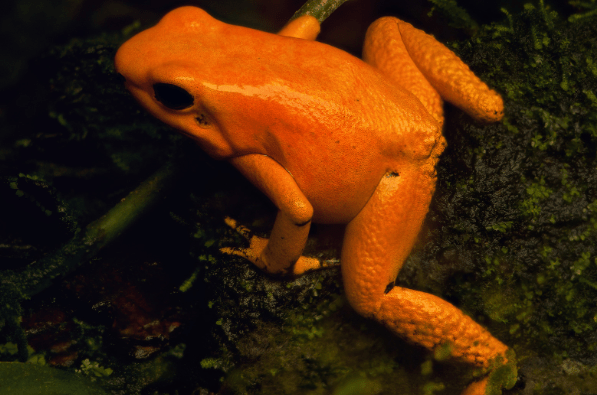
Incilius periglenes is a species of toad believed to be extinct.
It was a small, brightly yellow-orange toad found in tropical forests. Since 1989, it has not been seen or reported anywhere in the world and is classified as extinct by the IUCN.
The main causes of its extinction are chytrid fungal infections, global warming, and pollution.
9- DODO
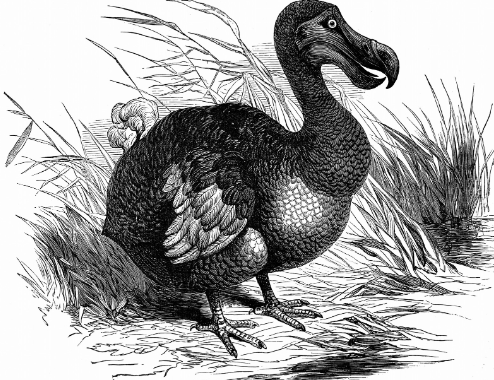
The dodo (Raphus cucullatus), a member of the pigeon family, lived on the island of Mauritius and became extinct by the late 17th century (1662).
Dodos were flightless birds that were excellent runners, built nests on the ground, and primarily fed on fruits.
The main reasons for their extinction were:
Their eggs were left unprotected against predators.
They were heavily hunted by humans.
10- THYLACINE
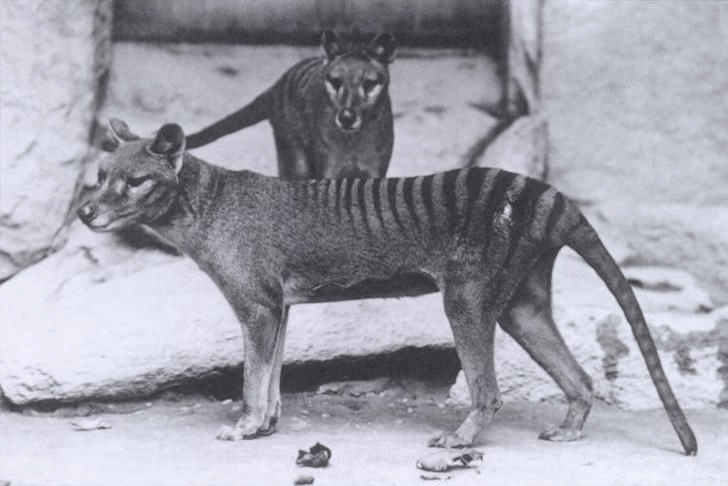
Also known as the Tasmanian tiger or Tasmanian wolf (Thylacinus cynocephalus), this was a large carnivorous marsupial native to Australia that went extinct in the 20th century.
It primarily hunted rodents and kangaroos.
Despite its aggressive appearance, it was known to be easily captured by humans.
The main cause of its extinction was excessive hunting by humans.
11- MADEIRAN LARGE WHITE BUTTERFLY
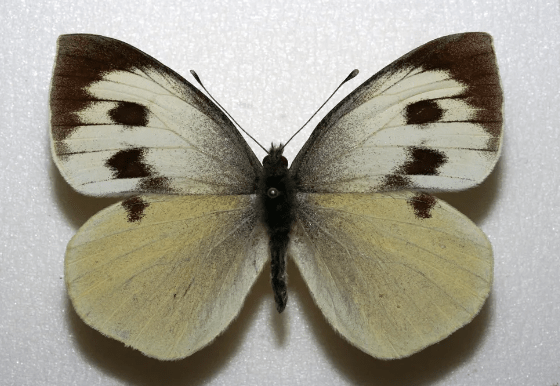
The Madeiran Large White butterfly (Pieris brassicae wollastoni) was a butterfly species native to Madeira. Its wings, which could reach 55–65 mm (2–2.5 inches), were pure white with wide black markings on the tips of the forewings.
It was first described by British entomologist Arthur Gardiner Butler in 1886.
Although there is no definitive evidence of its extinction, it has not been seen for decades and is considered critically endangered.
The primary causes of its decline are habitat loss and pollution caused by human activity.
Conclusion
The 11 species discussed in this blog post are just some of the many animals that have either gone extinct or are in critical danger. As seen, human activity appears to be the biggest factor behind their decline.
We hope for a more conscious society to prevent more animal species from disappearing from our world.



 VETEXPLAIN
Yorum bırakın