

Abstract
The potential of viruses as anti-cancer agents was first discovered in the early twentieth century but coordinated research efforts did not begin until the 1960s. Oncolytic virotherapy is an anti-cancer treatment type that uses Oncolytic viruses. The most attractive features of OVs is that they are either naturally occurring or genetically engineered to selectively infect, replicate and destroy or damage tumor cells while not infecting normal, healthy cells. In the 1920s animal experiments yielded that viruses were in fact capable of infecting and destroying experimental murine (mouse) tumors and several other studies conducted in the 1950s demonstrated devastating oncolysis of murine tumors by Newcastle disease virus and Influenza virus.
Introduction
The amount of pets affected by cancer ranges from 1% to 2% and cancer currently accounts for about half of the deaths of domestic animals older than 10 years. The most common forms of cancer in dogs and cats are lymphoma, skin, bone, mammary, oral, and connective tissue cancers.
The traditional methods for pet cancer treatment include radiation therapy, surgery, hyperthermia and photodynamic therapy and chemotherapy. However, the available treatment options for pet patients with more severe cases of cancer are limited and generally the prognosis is very poor. Because of this developing new types of therapies, which may also work synergistically in combination with the traditional treatment options, is crucial.
One promising new therapeutic approach is oncolytic virotherapy. Oncolytic viruses exhibit selective viral replication in tumors and metastases resulting in the destruction of cancer cells and the initiation of tumor-specific immunity. Many oncolytic viruses including adenovirus, herpes simplex virus, vaccinia virus, Seneca Valley virus and reovirus are currently in human clinical trials. In addition, in China, the oncolytic adenovirus H101 has been approved for combination therapy of human cancer patients.
In contrast to the progress of human oncolytic virotherapy, there are very few clinical trials using oncolytic viruses for canine or feline cancer patients. Since many forms of canine or feline neoplasms resemble their human equivalents in histological appearance, tumor genetics, biologic behavior, pathologic character, risk factors and response to therapy, it is reasonable to expect that the human clinical protocols will transfer almost directly to the treatment of pet cancer patients.
As oncolytic viruses show constant promise in clinical application for treatment of many cancer types in human patients and considering the high similarity and increasing prevalence of these cancers in pets, we believe that oncolytic virotherapy could soon be a viable option in veterinary medicine also.
Toxicity of Oncolytic Viruses to Pet Cancer Patients
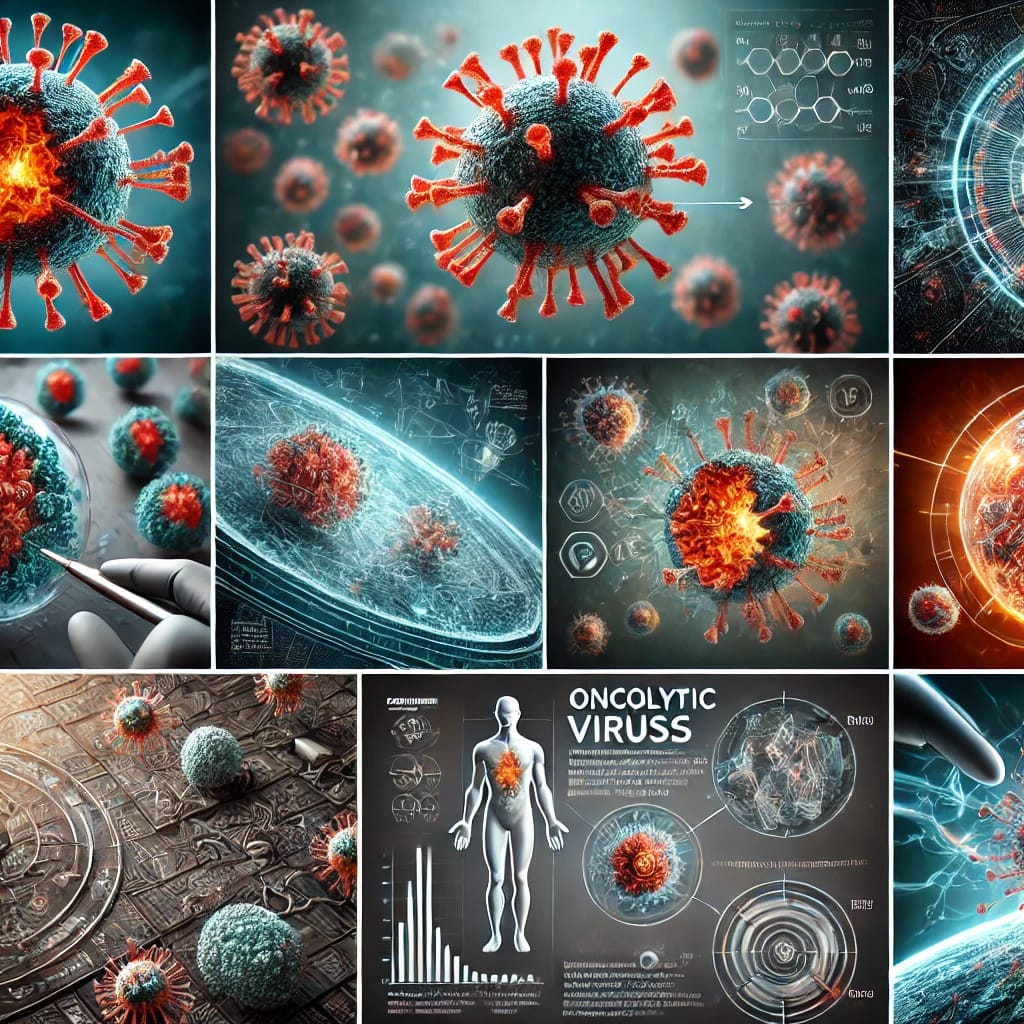
Similar to chemotherapy one of the main concerns for OV is toxicity. Although only a few trials of OV in feline and canine cancer patients have been completed , evidence for the lack of toxicity of OVs in pets is substantial. For example; Intravenous administration of canine adenovirus-2 in normal dogs and in canine malignant melanoma cases did not show any signs of virus associated toxicity. Evidence of oncolytic viruses as a safe therapy method is displayed by multiple studies. Overall both naturally occurring and genetically engineered oncolytic virus therapy appears to be as safe as any other currently practised anti cancer therapies.
Biosafety of Treatment
Oncolytic viruses also raise new biosafety and risk management issues. The risk assessment before administering OV must include the possibility of viral agents spreading to other pets and persons in contact with the treated animal which means the zoonotic capabilities and risk to pet owners and general public must be monitored constantly. The diseases caused by the parental viral strains of the administered virus is a very important safety factor for consideration since those diseases might be observed as side affects. If necessary, the risk of disease or adverse effects from a viral therapeutic could be countered with antiviral agents effective against the viral strains considered for cancer treatment.
This blog post has been verified by Res. Asst. Dr. Özge AYDIN.
Sources
1.Ivaylo Gentschev, Sandeep S.Patil, Ivan Petrov, Joseph Capello, Marion Adelfinger and Aladar A. Szalay, Oncolytic Virotherapy of Canine and Feline Cancer, (2014)
2 .Tamirat Demissie, Sultan Abda, Review on Application of Oncolytic Virotherapy of Cancer Cells in Veterinary Medicine, (1-7), 2020


 VETEXPLAIN