
Leptospirosis is an anthropozoonotic disease (transmissible between humans and vertebrate animals). It is also known by various names such as swamp fever, seven-day fever, Stuttgart disease, and marsh fever. The disease is caused by pathogenic strains of the Leptospira genus.
Leptospira are long, spiral-shaped microorganisms that lead to vasculitis in humans, domestic animals, and rodents. It is a multi-organ disease that can manifest with a variety of clinical symptoms.

It has become a significant public health issue in many regions of the world, particularly in tropical and subtropical areas. Outbreaks also occur as a result of disasters; for example, leptospirosis cases may increase following hurricanes and floods. Although it is more commonly seen in developing countries, it is also reported in developed nations. Contaminated water and feed play a role in transmission. It can be considered an occupational disease, and both travel and disasters pose risks for its spread.
The first recognized form of leptospirosis, known as the icteric form, is Weil’s disease, characterized by fever and jaundice as prominent symptoms. Anicteric leptospirosis, on the other hand, is an infection that often goes unnoticed worldwide.
The first reported case of leptospirosis in our country was documented in 1915 by Nüzhet and Reşat Rıza Bey. (Reşat, 1915; Şerif, 1922).
Leptospira bacteria do not grow on conventional culture media. They require organic substances, B vitamins, iron, and other nutrients for growth. Unlike many other bacteria, they do not utilize amino acids or carbohydrates as energy sources; instead, ammonium salts serve as their primary nitrogen source.
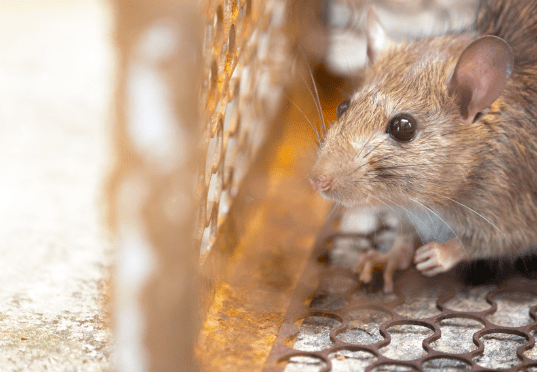
Many wild and domestic animals carry the pathogen in their kidney tubules and excrete it into the environment through their urine. Leptospirosis is typically transmitted to humans through exposure to water contaminated with the urine of infected animals. As a result, individuals involved in agricultural work, livestock handling, water sports, or those exposed to contaminated water are at risk of infection. The primary transmission routes include contact with infected farm animals, rodents such as rats, wild animals like foxes, and contaminated water.
Water is the most significant medium for transmission. Infection can occur through oral ingestion of contaminated water or by swimming in polluted rivers. In developed countries, recreational water sports such as rafting are among the leading causes of leptospirosis infections.
The incubation period of the disease ranges from 4 to 12 days. The pathogen enters through mucous membranes or injured skin, proliferates in blood vessels, and causes vasculitis. As it migrates to different organs, it can lead to tissue damage in the kidneys, liver, and other tissues. In dogs, the disease may initially present subclinically; however, over time, symptoms such as depression, lethargy, anorexia, vomiting, diarrhea, hematuria, increased urination frequency and difficulty urinating, conjunctivitis, jaundice, and joint and muscle pain may develop.
In humans, leptospirosis can manifest in a wide spectrum, ranging from asymptomatic cases to Weil’s disease—a severe form characterized by jaundice, liver and kidney failure, and hemorrhagic diathesis—with a mortality rate ranging from 5% to 40%. In individuals with risk factors, primary symptoms include fever, jaundice, muscle pain, conjunctival redness, periorbital pain, and headaches. While human-to-human transmission is rare, it can occur through direct contact with an infected person’s urine or other bodily fluids.
Diagnostic methods include immunofluorescence antibody testing (IFAT), polymerase chain reaction (PCR), and culture. In animals, differential diagnoses should consider canine hepatitis, distemper, ehrlichiosis, and babesiosis.
How to Protect Yourself from Leptospirosis?
- Ensure the safety of the water you consume by boiling it or treating it with chemical disinfection methods beforehand.
- Cover any cuts or wounds on your body with waterproof bandages or other protective coverings to prevent exposure.
- Take measures to prevent rodent infestations in your living area.
- Avoid entering, swimming in, bathing in, submerging your head in, or ingesting floodwaters or any freshwater sources that may be contaminated with animal urine or flood runoff.
This blog post has been verified by Res. Asst. Alp Emre YILDIZ.
SOURCES
Turhan V., Hatipoğlu M. (2012), Leptospiroz “ Yeni fark edilen eski bir enfeksiyöz hastalığı” .https://dergipark.org.tr/tr/download/article-file/190102
Kurtdede A. (2023), Kedi ve Köpek Hekimliği. Ankara, Türkiye: Ender YARSAN. Son Erişim Tarihi: 24.12.2023
Centers for Disease Control and Prevention, Leptospirosis. https://www.cdc.gov/leptospirosis/index.html




 VETEXPLAIN
Yorum bırakın