
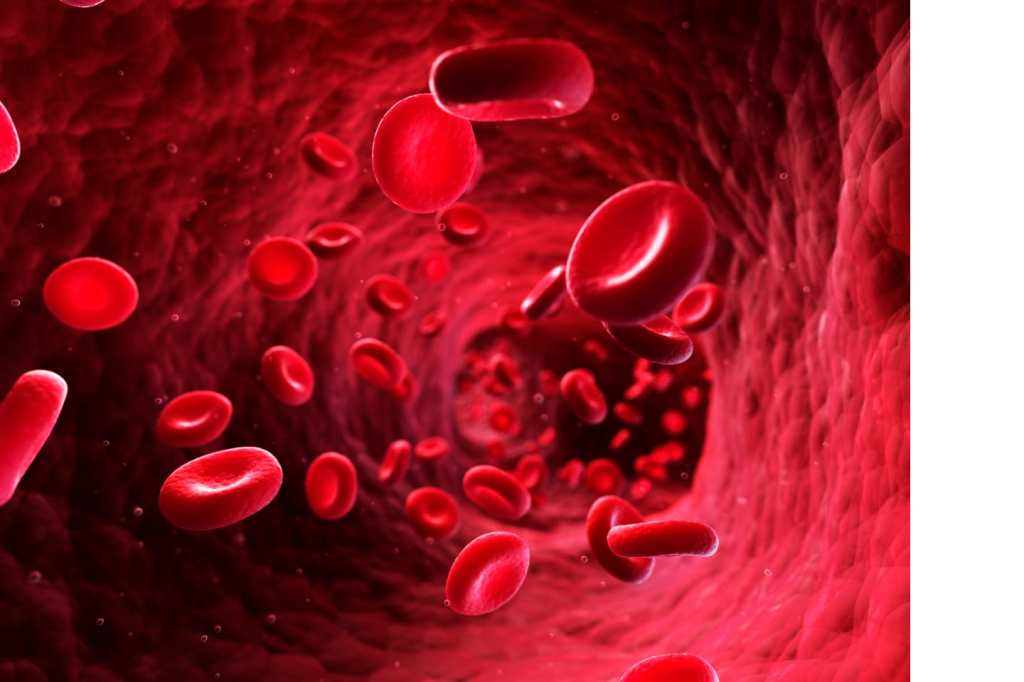
One topic that everyone with a pet or an interest in the animal kingdom has likely wondered about at least once is: what are the blood types of animals? First of all, it can be stated that animal blood types are entirely different from ours. Blood types are determined by the presence or absence of specific antigens (composed of proteins or sugars) on the surface of red blood cells. Although the same letters are used in the classification of cats, the antigens they represent are not the same. The number of blood group systems varies among domestic species. The simplest classification belongs to cats, while the most complex belongs to cattle.
The diversity of blood types in animals and the lack of commercially available blood-typing antisera for all antigens make complete typing impossible. However, this should not prevent necessary transfusions. In horses and dogs, the blood group antigens most commonly involved in transfusion incompatibilities are known; by selecting donor animals that either lack these antigens or match the recipient, the risk of sensitizing the recipient to the antigens can be minimized.

There are four known blood types in cats: A, B, AB, and mic. Type A is the most common. In some breeds, the frequency of Type B is higher. The geographic location of cats also influences this distribution; approximately 99% of cats in the United States and 60% of Van cats are Type A, while this rate is about 50% in Ankara cats. Type AB is the rarest.
There is no universal donor among cats, as they naturally have antibodies (immune cells) against blood group antigens they do not possess. Blood typing is performed to help match donors and recipients in potential transfusions and to identify mating pairs that may pose a risk of causing anemia in kittens due to red blood cell destruction. Type B mother cats have particularly strong anti-A antibodies. If the kittens inherit Type A blood from the sire (father cat), these antibodies are transferred through the colostrum (first milk) and destroy the kittens’ red blood cells.

Blood Typing and Blood Transfusion
An animal’s blood type is determined by measuring the reaction of a small blood sample to specific antibodies. Identifying the blood type is essential to ensure that a blood transfusion is performed safely. Additionally, a test called “crossmatching” is necessary to ensure compatibility. In this test, specific components of the donor’s blood are mixed with the recipient’s blood components before transfusion to prevent any reaction. Even a first incompatible transfusion can lead to the rapid destruction of the transfused cells.
Most often, the need for a blood transfusion arises in emergency situations such as severe bleeding or the sudden destruction of red blood cells due to other diseases. Blood transfusions may also be required to treat anemia caused by other conditions. Animals with clotting disorders often need repeated transfusions. Transfusions may involve whole blood, red blood cells, plasma, platelets, or blood substitutes.Due to the potential for adverse effects, all transfusions must be performed with caution. The most serious risk is hemolysis, which is the destruction of red blood cells shortly after transfusion. This condition is rarely seen in companion animals. Other complications may include the transmission of diseases (such as feline leukemia or immunodeficiency viruses) from infected donors. Therefore, donors must be tested before blood collection. Excessive transfusion can lead to pulmonary edema. Other possible reactions include calcium deficiency, fever, hives, or vomiting.

Blood Types and Transfusions in Dogs
Normally, dogs do not have antibodies against red blood cell antigens unless they have previously been exposed to them through a transfusion. However, in some cases, such antibodies can be present even without prior exposure.
Dogs have more than 13 known blood types, of which 8 (DEA 1.1, 1.2, 3, 4, 5, 6, 7, and 8) have been internationally recognized. Each blood type is inherited independently, meaning that red blood cells can carry any combination of these antigens. Among them, the most clinically significant is Dog Erythrocyte Antigen (DEA) 1.1. Blood donors and recipients are typed for compatibility before transfusion. Approximately 40% of dogs are DEA 1.1 positive, meaning their red blood cells carry this antigen.
Because dogs do not have naturally occurring antibodies, reactions usually do not occur during the first transfusion. However, if a DEA 1.1 negative dog receives DEA 1.1 positive blood, and then receives a second transfusion with DEA 1.1 positive blood, it may develop antibodies that rapidly destroy red blood cells. Selecting donor animals that match the recipient can minimize the risk of sensitization.
The most serious transfusion risk in dogs is acute hemolytic reaction—a rapid destruction of red blood cells—typically caused by pre-existing antibodies against DEA 1.1 or DEA 1.2. A more frequent issue in dogs receiving multiple transfusions is delayed red blood cell destruction caused by antibodies against minor blood group antigens. This typically occurs with DEA 3, 5, and 7, though these reactions are usually mild and not clinically significant.
Unlike cats, a universal donor group exists in dogs: DEA 1.1 and DEA 1.2 negative dogs, especially Greyhounds. These dogs are typically negative for most antigens except DEA 4. However, due to the presence of multiple blood group antigens, a transfused dog may still be exposed to antigens that its red blood cells do not carry.
All complications described for cats also apply to dogs receiving transfusions. Fortunately, most transfusions in dogs are safe and effective.
This blog post has been verified by veterinarian Yunus Emre AŞICI
Sources:
MSD Manual. “Blood Groups and Blood Transfusions in Cats”. Erişim: 23.01.2024
MSD Manual. “Blood Groups and Blood Transfusions in Dogs”. Erişim: 23.01.2024
Prof. Dr. Murat Arslan. “Kan Transfüzyonu”. İ.Ü. Veteriner Fakültesi Fizyoloji Anabilim Dalı. Son Erişim Tarihi: 23.01.2024



 VETEXPLAIN