

With a prevalence of 28.3%, Türkiye is among the countries with the highest rates of tobacco use worldwide. This indicates that approximately 23 million people actively consume tobacco on a daily basis. The harmful effects of tobacco smoke on users themselves, as well as on people and children passively exposed to it, are frequently emphasized, and public warnings are consistently issued on this matter. In this article, we will focus on the effects of being in a tobacco-smoking environment on pets.
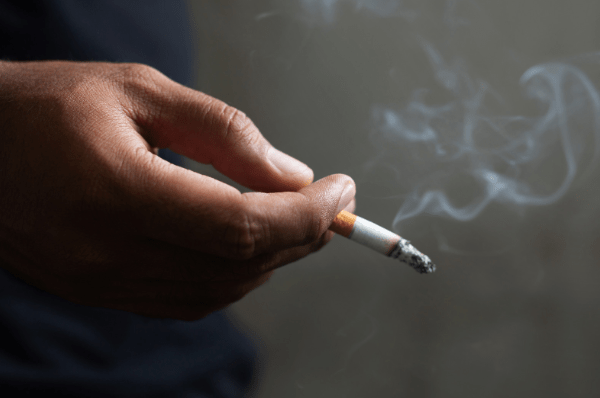
Environmental cigarette smoke affects companion animals, which are in close physical contact with their owners, in various ways. Pets are exposed either by direct inhalation of smoke into the respiratory system or through contact with skin, clothing, furniture, and other contaminated surfaces, as smoke particles permeate these materials. Cats, in particular, are at higher risk due to their frequent self-grooming behavior.
In humans, both active and passive smoking lead to oxidative stress, which plays a critical role in the pathogenesis of several major diseases, including cancer, cardiovascular disorders, and respiratory diseases. Oxidative stress arises from an imbalance between reactive oxygen species (ROS), free radicals, and the body’s antioxidant defenses. ROS are by-products of cellular metabolism, generated when a fraction of inhaled oxygen is converted into oxygen free radicals.
Since tobacco smoke contains free radicals and oxidants in both gaseous and particulate forms, it triggers ROS production, thereby initiating the imbalance that underlies oxidative stress. Excessive ROS damages all biological macromolecules, impairing normal physiological functions and contributing to the development of various diseases. Thus, tobacco use induces oxidative stress by disrupting the balance through either increased ROS generation or reduced antioxidant capacity.
Moreover, many trace elements present in tobacco affect trace element concentrations in the body, which play essential roles both as components of ROS structures and as cofactors for antioxidant enzymes.

In a study conducted on 40 domestic cats aged between 1 and 7 years, enzymatic antioxidants—enzymes that prevent oxidative stress by neutralizing oxidative stress products and excess ROS—were used and monitored as biomarkers. In cats exposed to tobacco smoke, oxidative stress products were elevated, along with interleukins and cytokines due to immune cell activation. Additionally, levels of copper (which acts as a pro-oxidant and promotes free radical formation), glucose, and creatinine were found to be higher. Enzymatic antioxidants, however, were significantly lower compared to those in cats not exposed to tobacco smoke. Serum levels of cotinine, the active metabolite of nicotine formed after entering the body, were also higher in the group of cats living in households where tobacco was used.
In human studies, elevated creatinine levels are associated with tobacco use, attributed to potential kidney damage caused by toxins. Similarly, in cats, both acute and chronic kidney diseases are correlated with elevated creatinine levels. Although creatinine remained within the reference range, cats exposed to environmental tobacco smoke showed higher levels compared to non-exposed cats.
Another study investigated the association between feline malignant lymphoma and exposure to environmental tobacco smoke. It was found that variables such as duration of exposure to smoking environments, the amount of tobacco consumed, and the number of active smokers in the household were positively correlated with the risk of disease development. When comparing the highest-risk group with cats not exposed to tobacco smoke, the risk of developing lymphoma was found to be four times greater in the exposed group.

An article published in a veterinary journal in the United States addressed the impact of environmental tobacco smoke exposure on the risk of lymphoma and oral squamous cell carcinoma in cats. In humans, nicotine is metabolized in the liver into its active form, cotinine, which is not considered carcinogenic. In contrast, NNAL—another nicotine metabolite—has been shown to possess carcinogenic properties. Similar to findings in humans, studies measuring urinary concentrations of nicotine, cotinine, and NNAL in cats revealed that cats living in smoking households had higher levels of these substances compared to those in non-smoking households.
A pet’s affection and loyalty often lead them to remain close to their owners. During the time spent side by side, sharing the same living environment, exposing them to cigarette smoke against their will means unintentionally putting our beloved companions at risk of serious diseases. While much emphasis is placed on the harms of active and passive smoking in humans, it is equally important to highlight its detrimental effects on animals. We hope this article has contributed to raising awareness on this issue and that you have enjoyed reading it.
This blog has been verified by Veterinarian Doç. Dr. Lora KOENHEMSİ.
Resources
Demirtas B, Yanar K, Koenhemsi L, Erozkan Dusak N, Guzel O, Akdogan Kaymaz A. “Tobacco smoke induces oxidative stress and alters pro-inflammatory cytokines and some trace elements in healthy indoor cats”. Vet Res Forum, 301-308. (2023) Date of Usage: 17.05.2024
Elizabeth R. Bertone, Laura A. Snyder, Antony S. Moore. “Environmental Tobacco Smoke and Risk of Malignant Lymphoma in Pet Cats”. American Journal of Epidemiology, 268-273. (2002) Date of Usage: 17.05.2024
McNiel, E. A., Carmella, S. G., Heath, L. A., Bliss, R. L., Le, K., & Hecht, S. S.. “Urinary biomarkers to assess exposure of cats to environmental tobacco smoke”. American Journal of Veterinary Research, 349-353. (2007) Son, Date of Usage: 17.05.2024
TÜİK. “Türkiye Sağlık Araştırması, 2022”. Date of Usage: 17.05.2024
https://data.tuik.gov.tr/Bulten/Index?p=Turkiye-Saglik-Arastirmasi-2022-49747 Date of Usage: 17.05.2024


 VETEXPLAIN
Yorum bırakın