
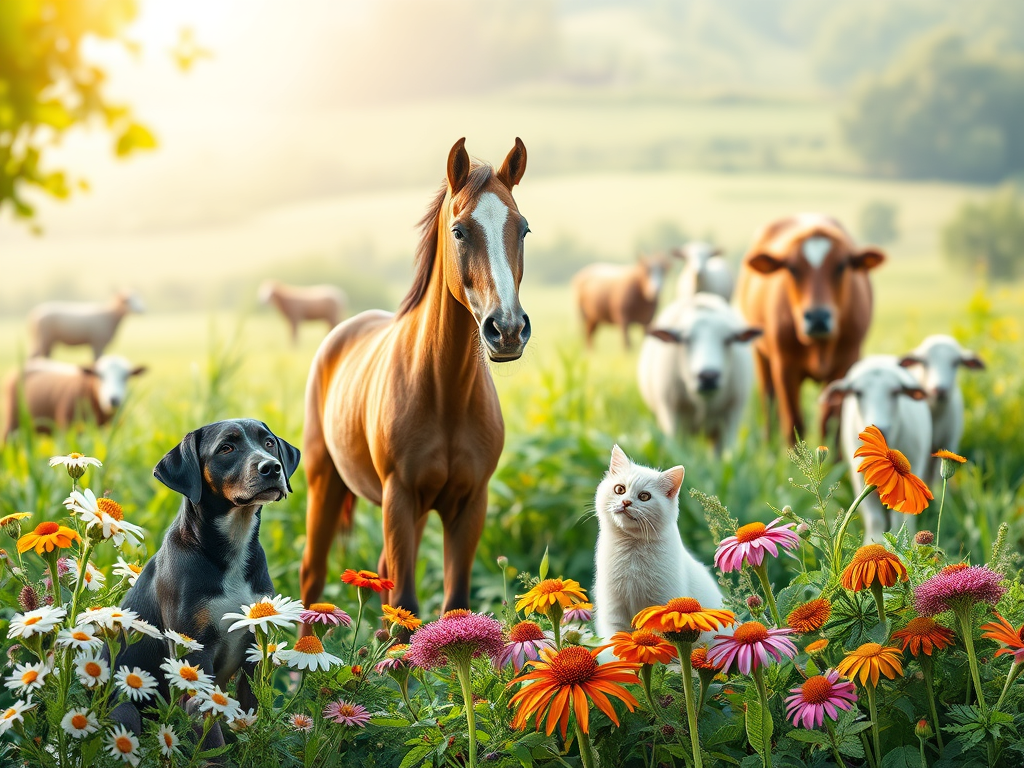
Phytotherapy refers to treatment using plants and plant-derived products. Its importance is steadily increasing in both human and veterinary medicine. In veterinary practice, it can be applied to a wide range of animals, including cats, dogs, cattle, sheep, birds, and horses.
To harness the therapeutic potential of medicinal plants and ensure their safe use, specific knowledge about the active parts of the plant or its preparations is required. Incorrect use or excessive dosing of these plants can be toxic. Medicinal plants can also be successfully used in prophylaxis and metaphylaxis.
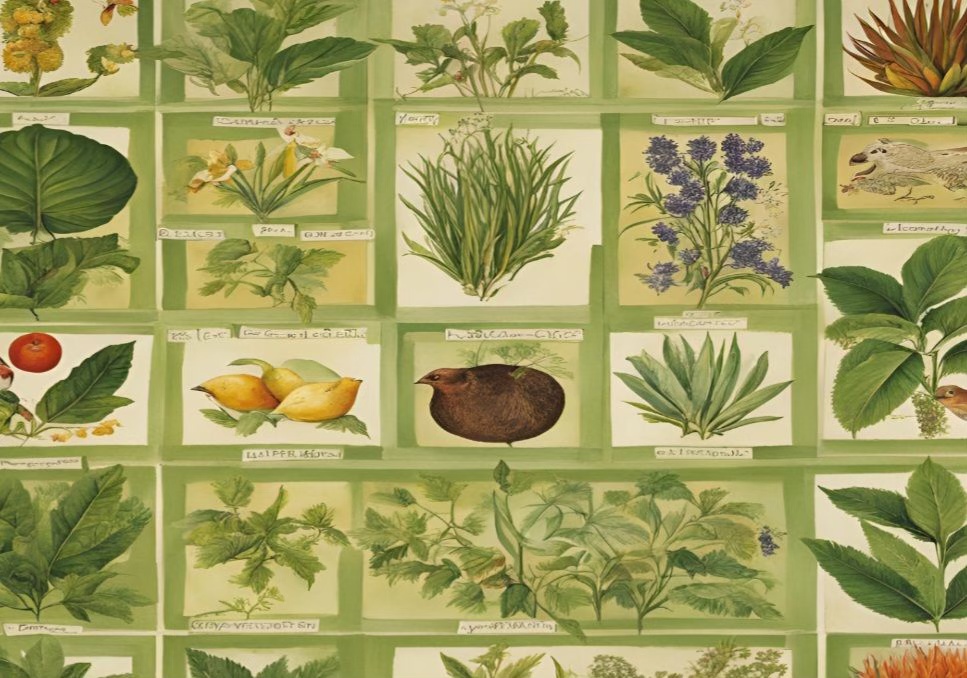
Use of Herbal or Medicinal Plants in Farm Animals
The use of certain herbal medicines or medicinal plants in farm animals is restricted due to legal regulations and concerns related to doping. Approved oral treatments include Vincetoxicum officinale root (standardized extracts and preparations), spruce needles, and cumin seeds. Other authorized topical applications for farm animals include arnica flowers, marigold flowers, and lavender oil. However, for horses, current information should be verified against the FEI (Fédération Équestre Internationale) doping list.
Unfortunately, phytotherapy has gradually been neglected following the discovery of antibiotics and the development of synthetic drugs under laboratory conditions. In infections where antimicrobial agents are not required due to etiology and prognosis, phytotherapy can be considered, particularly to reduce antibiotic consumption and the risk of resistance, either as a complementary or a full alternative to synthetic treatments.
Although phytotherapy is based on traditional knowledge passed down for centuries, the number of studies investigating the mechanisms of action of these traditional practices and contributing scientific evidence is increasing. To meet the growing demand for treatment with medicinal plants, the Swiss Association of Complementary and Alternative Veterinary Medicine (camvet.ch), in collaboration with the Swiss Medical Association for Phytotherapy (SMGP), has established a continuing education program for veterinarians: the “Veterinary Phytotherapy GST Certificate.”
Additionally, the Veterinary Pharmacology and Toxicology Institute in Zurich has created a comprehensive database for phytotherapy in animals. Their information system, available at www.phytoarznei.ch, provides veterinarians with clear and user-friendly decision support to facilitate and promote the correct use of medicinal plants.
For example, in dogs, the use of mallow leaves or lettuce leaves from hoofed plants as cough suppressants can help alleviate symptoms. Steam inhalation with chamomile flowers and thyme has also been shown to be effective in promoting mucus clearance.
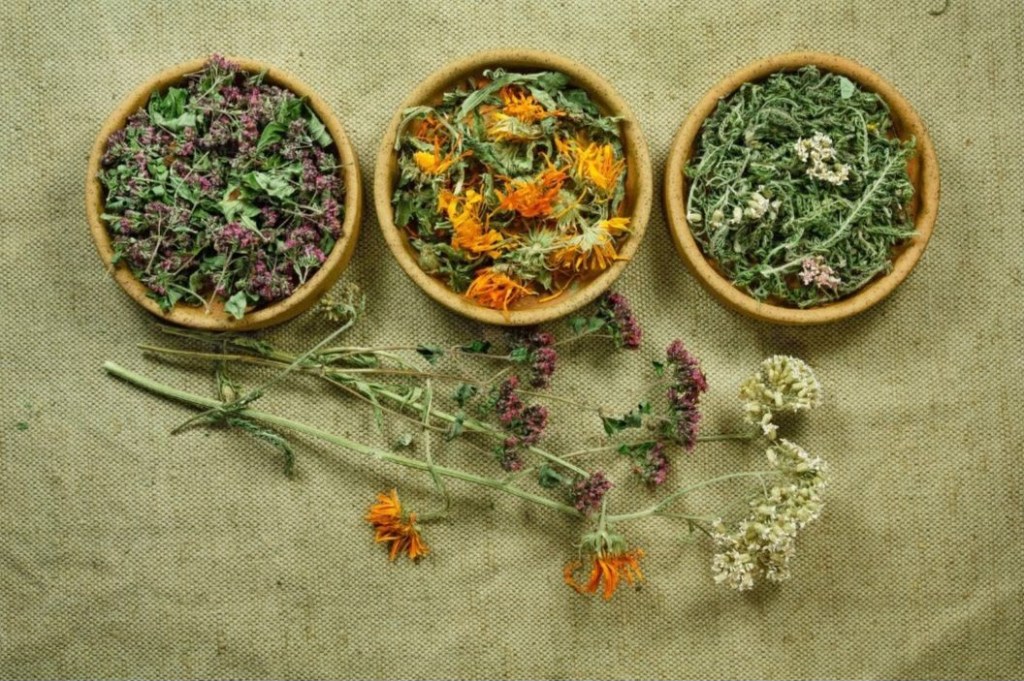
In another example, for a guinea pig with urolithiasis accompanied by urinary sludge and mild hematuria, dandelion root and nettle leaves are recommended due to their diuretic, anti-inflammatory, and analgesic properties.
Recent research on phytotherapy has highlighted: “By combining phytotherapy with nanotechnology, the efficacy and selectivity of plant-derived active compounds are increased, allowing controlled release and targeted delivery. Many biologically active components derived from plants, such as flavonoids, tannins, and terpenoids, have high water solubility but poor absorption, resulting in low bioavailability and effectiveness. Therefore, nanotechnology presents innovative and positive impacts for pharmacology in veterinary medicine.”
Another study demonstrated the use of phytotherapy in a dog bite wound, where aloe vera, sunflower oil, and barbatimao were applied in conjunction with low-power laser and ozone therapy, yielding positive results.
Furthermore, to meet increasing demand, excessive use of certain chemicals and drugs in animal and plant production has been observed. Residues of these substances, especially antibiotics, in food products raise significant concerns regarding food safety among consumers. The concept of organic production has emerged to address these concerns. In organic livestock farming, legal restrictions on chemically synthesized veterinary drugs or antibiotics necessitate alternative treatment methods. Consequently, phytotherapy—defined as the use of plant-based preparations in human and veterinary medicine for prophylactic purposes or to mitigate disease effects—has become increasingly relevant. Research has explored the application of phytotherapy in ruminants for cases such as diarrhea, rumen dysfunction, and antiparasitic interventions.
This blog has been verified by Research Assistant, Veterinarian
Nurçin YILMAZ .
Resources:
Güvenç D, Gökmen S. Veteriner fitoterapide nanoteknolojinin kullanımı. Yavuz O, editör. Farmakoloji ve Toksikolojide Nanoteknoloji. 1. Baskı. Ankara: Türkiye Klinikleri; 2022. p.60- 70. Makale Dili: TR.
ROCHA, CO.; GRANATO, AC Köpeklerde ürolitiazisin fitoterapötik tedavisinde kullanılan şifalı bitkiler – bütünleştirici bir incelemede. Araştırma, Toplum ve Kalkınma , [S. l.] , v. 10, hayır. 12, s. e501101220876, 2021. DOI: 10.33448/rsd-v10i12.20876. Şu adresten ulaşılabilir: https://rsdjournal.org/index.php/rsd/article/view/20876. Date of Usage: 14 Şubat. 2024.
Yanar K.E., Aktaş M.S., Ruminantlarda fitoterapi uygulamaları. (2021) Atatürk Üniversitesi Veteriner Fakültesi, İç Hastalıkları Anabilim Dalı, Erzurum. p. 77-86. Makale Dili: TR.
P.G.C. Ferreira, L.I. Cunha, P.G. Rabelo, et al. 2020. Use of Phytotherapics, Low Power Laser and Ozone for Biting Wound in Dog. Acta Scientiae Veterinariae. 48(Suppl 1): 508.
Kupper J, Walkenhorst M, Ayrle H, Mevissen M, Demuth D, Naegeli H. Online-Informationssystem für die Phytotherapie bei Tieren [Online information system for -phytotherapy in animals]. Schweiz Arch Tierheilkd. 2018 Oct;160(10):589-595. German. doi: 10.17236/sat00178. PMID: 30301712.

 VETEXPLAIN
Yorum bırakın