
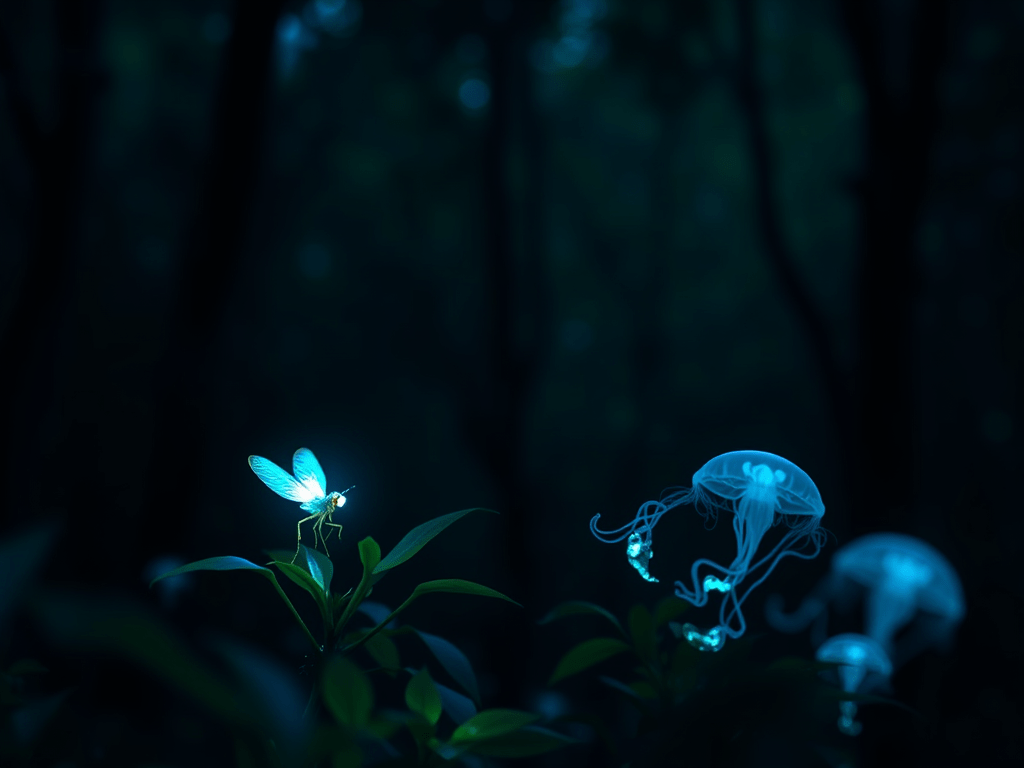
Bioluminescence is a phenomenon many of us may not have heard of by name, yet we are familiar with a few of its examples. So, what exactly is bioluminescence? In simple terms, it is the emission of light by living organisms. This emitted light typically appears in blue-green hues, and its most well-known example is fireflies.
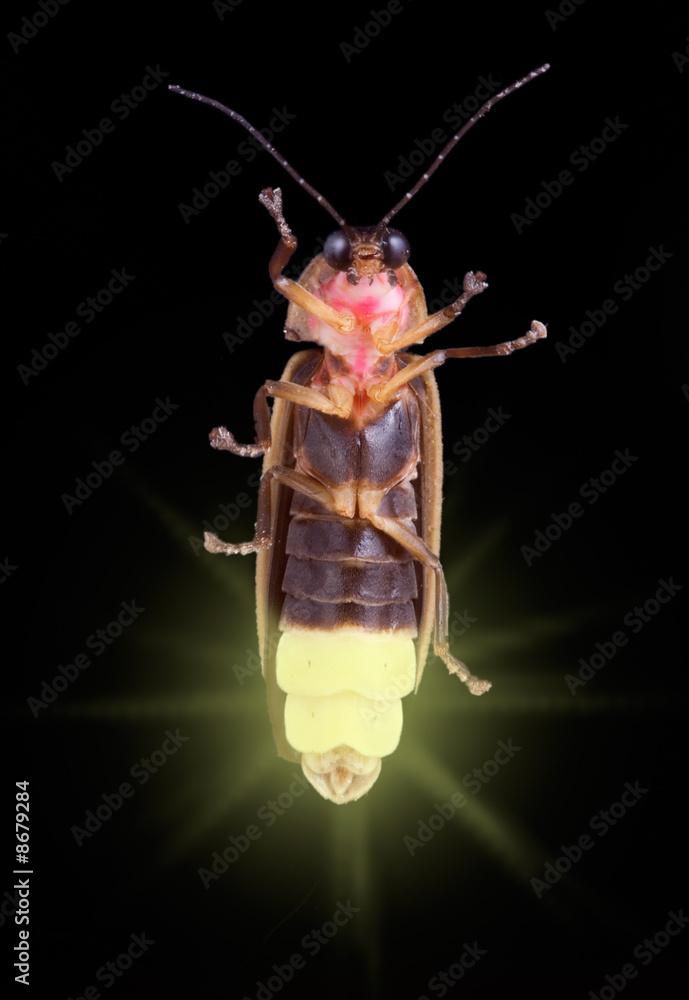
If we need a more complex definition, bioluminescence can be described as the production and emission of light through the conversion of chemical energy within an organism’s body.
Is bioluminescence a type of fluorescence?
Bioluminescence is not a type of fluorescence. Fluorescence does not involve a chemical reaction; instead, an external light source is absorbed and re-emitted. However, in bioluminescence, light is produced through chemical reactions without the need for any external stimulus.
Historically, bioluminescence was first recognized by the scientist Robert Boyle.

Many organisms, both on land and in the sea, exhibit bioluminescence. Marine organisms usually emit blue light, whereas terrestrial organisms may produce yellow, orange, blue, or green light.
What are its characteristics?
The efficiency of bioluminescence is nearly 100%; chemical energy is converted almost entirely into light without producing heat.
Light-emitting organisms use this ability in nature for illumination, prey detection, camouflage, and communication. Anglerfish, vampire squid, and certain octopus species attract their prey using this method.

The Chemical Explanation of Bioluminescence
Light is emitted as a result of the oxidation of luciferin, a small molecule, by the enzyme luciferase. Different organisms possess different types of luciferase enzymes.
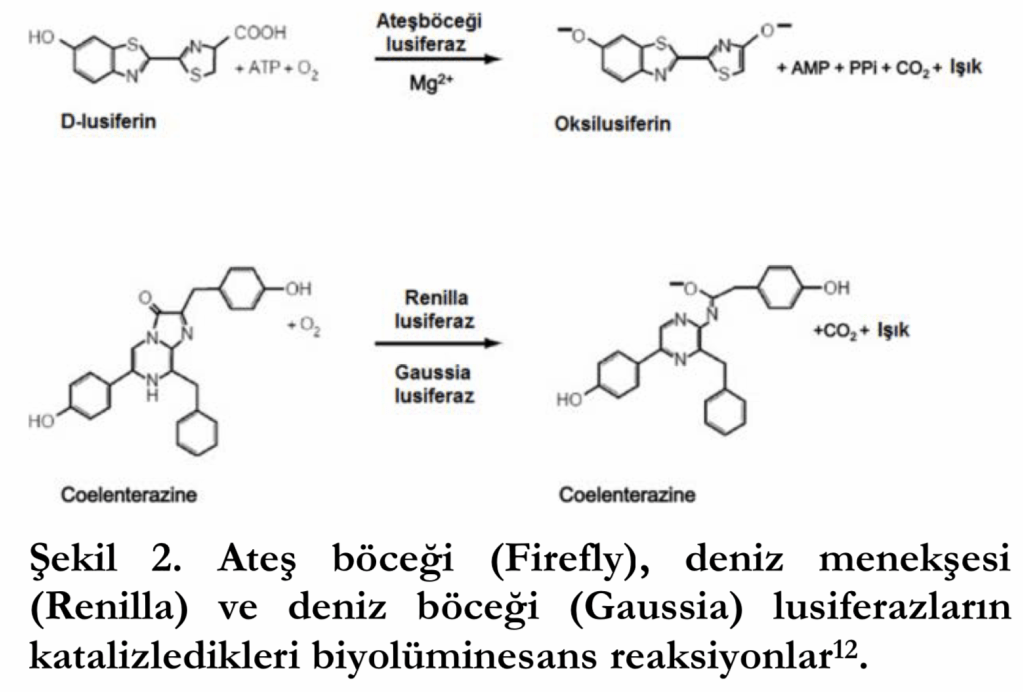
Over the past decade, significant advancements in protein engineering, synthetic chemistry, and physics have enabled luciferins and luciferases to be used in previously unexplored applications.
“The gene encoding one of the luciferase enzymes can be fused with a gene encoding any protein and transferred into a target organism, allowing it to be monitored in vivo. Through this method, the effects of bacteria, parasites, and yeasts on cells can be determined. Consequently, the diseases these organisms may cause and the progression of these diseases can be identified. This technique is simpler and more cost-effective than other methods and reduces the need for experimental animals. Another application involves counting and detecting microorganisms. It can be used to identify harmful microorganisms in foods, vegetables, and fruits. Although this method is fast, it lacks specificity. For studies requiring specificity, species-specific detection systems have been developed.”
— Yağmur Hamurcu, Natural Light Source: Bioluminescence
Examples of Bioluminescence
Examples include the ghostly glow of bacteria on decaying meat or fish, comb jellies found in nearly all oceans, Hawaiian bobtail squids, the shimmering light of protozoans in tropical seas, and the flickering signals of fireflies.
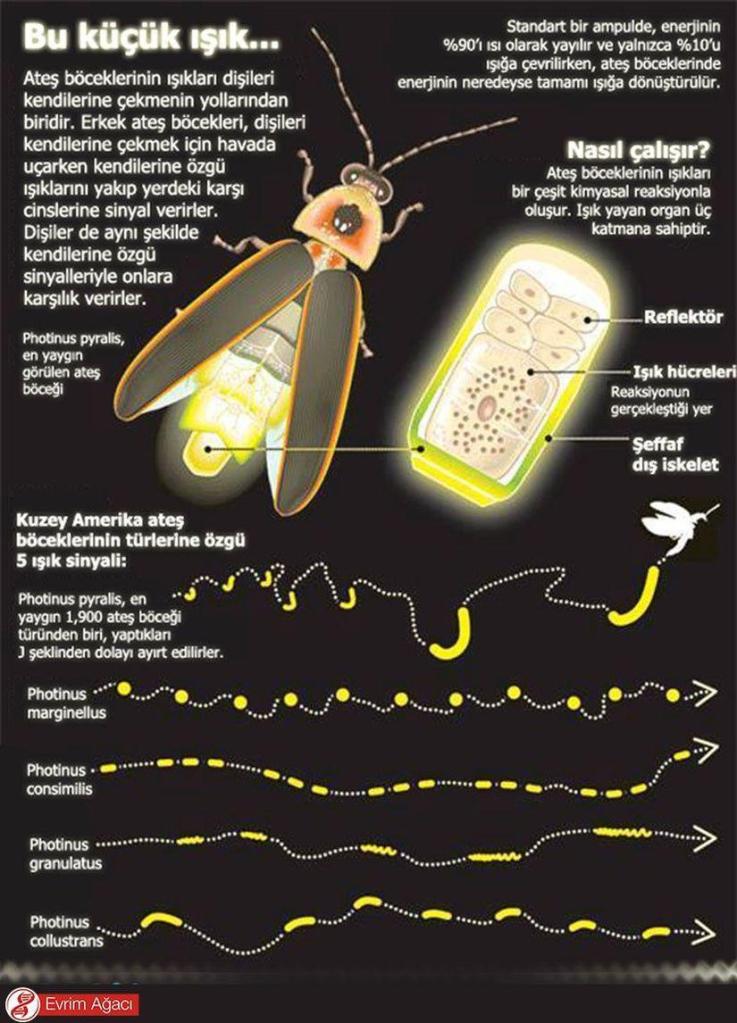
This phenomenon occurs in a wide range of protists and animals—from bacteria and fungi to insects, marine invertebrates, and fish—but it is not known to occur naturally in plants, amphibians, reptiles, birds, or mammals.
The “Yakamoz” Phenomenon
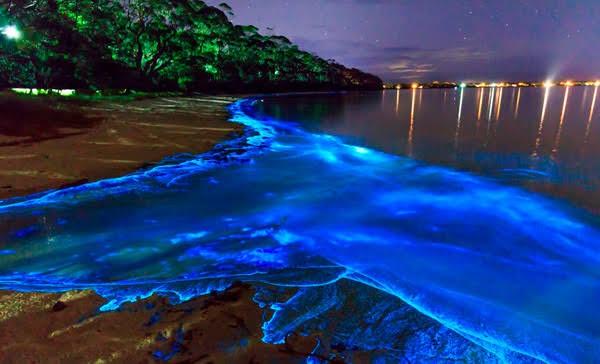
Although the term yakamoz is often believed to refer to moonlight reflecting off the sea surface, it actually involves bioluminescence as well. The single-celled organism responsible—Noctiluca miliaris—emits a blue-purple light when disturbed as a defensive reaction to scare off potential threats. This response causes the sea surface to shimmer, and this glowing effect is what we call yakamoz.
Resources
Atakan SUKATAR, İsmail KARABOZ, Sucul Canlılarda Biyolüminesans, Ege Üniversitesi, Fen Fakültesi Biyoloji Bölümü, 35100, Bornova, İzmir, Türkiye, Date of Usage: 16.07.2024
Ayşenur OKATAN, Biyolüminesans: Işık Yayan Canlılar, 22-01-2019, Tübitak Bilim Genç, Date of Usage: 16.07.2024
Gülnur ŞENER, Işıldayan Canlılar, www.bilimup.com, Date of Usage: 16.07.2024
Letgen Biotechnology, Innovative Molecular Solutions, Biyolüminesans Nedir? Ateş Böcekleri ve Günümüz Date of Usage: 16.07.2024
M. Öztürk, et al. Biyolüminesans: Işık Saçan Hayvanlar, Bunu Nasıl Yapıyorlar?. (3 Mayıs 2013). Alındığı Yer: https://evrimagaci.org/s/1204 Date of Usage: 16.07.2024
Yağmur Arzum KAYA, Ebru TULU, Doğal Işık Kaynağı: Biyolüminesans Date of Usage: 16.07.2024




 VETEXPLAIN
Yorum bırakın