
Myasthenia gravis is an immune-related neuromuscular disease characterized by rapid fatigability and weakness in muscle groups, which worsens during exercise and improves with rest. The disease has two forms—acquired and congenital—and is known to affect dogs more commonly, and occasionally cats.
Congenital myasthenia gravis is a form caused by an inherited deficiency of nicotinic acetylcholine receptors located at the postsynaptic neuromuscular junctions of skeletal muscles. Clinical signs appear between 3–8 weeks of age in puppies and kittens, particularly in breeds such as Jack Russell Terriers, Springer Spaniels, and Fox Terriers.
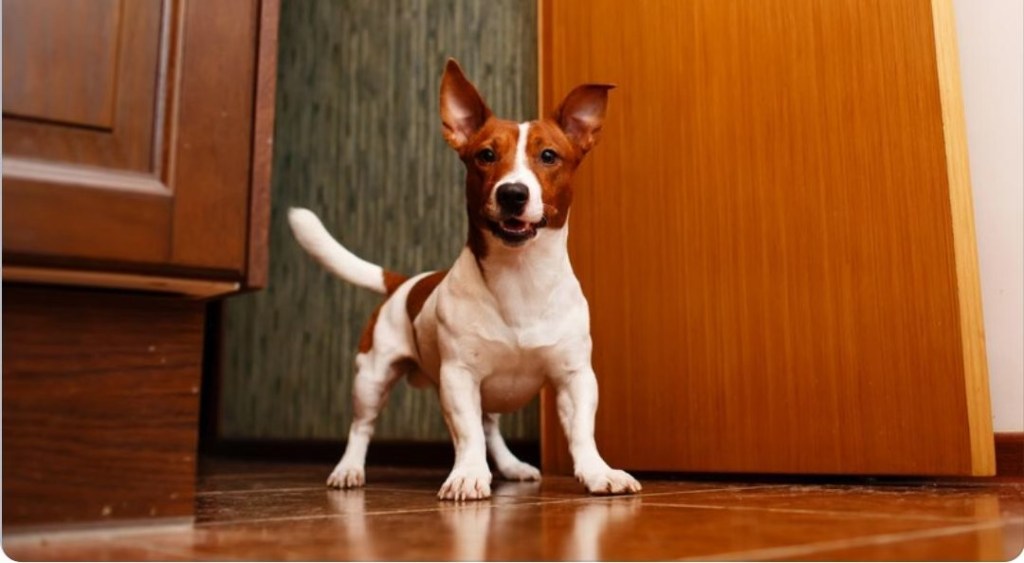
Jack Russell
Acquired myasthenia gravis results from the production of autoantibodies—primarily IgG—that block acetylcholine receptors at the neuromuscular junction. These autoantibodies reduce the membrane’s sensitivity to acetylcholine. The acquired form is most commonly seen in dogs between 3 months and 11 years of age, particularly in Labrador Retrievers, Golden Retrievers, and German Shepherds, and neutered females carry a higher risk. In cats, Somali and Abyssinian breeds are predisposed.
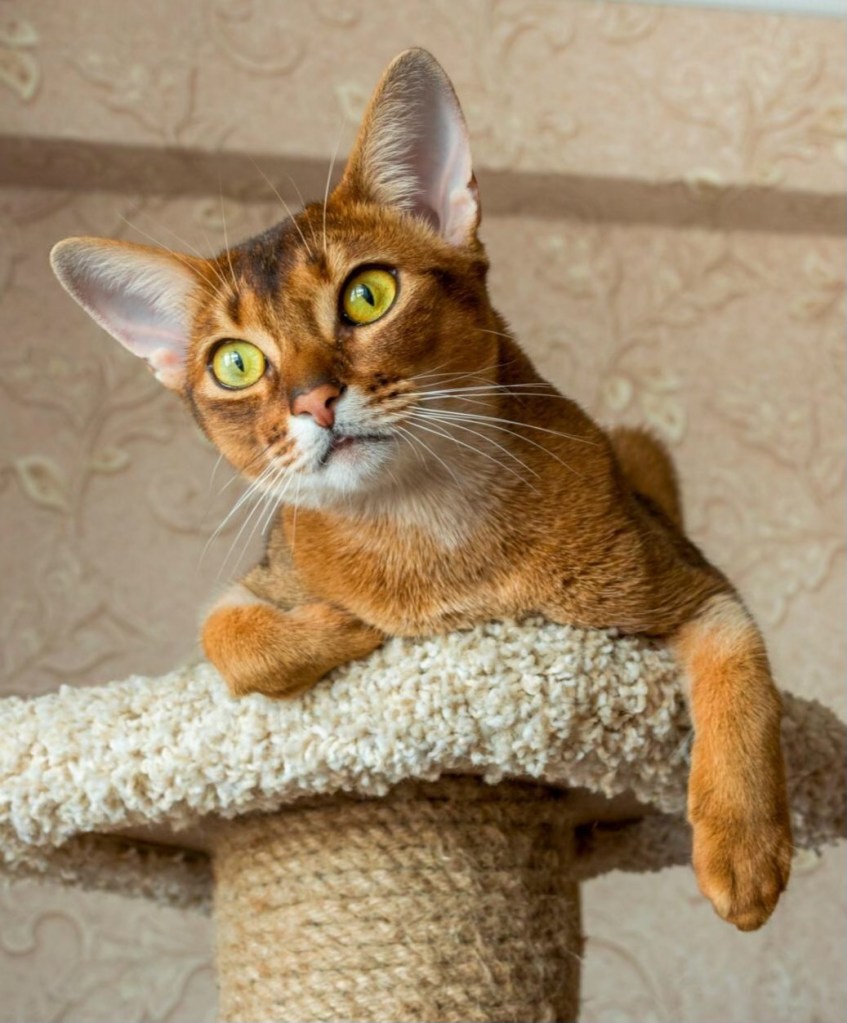
Abyssinian
Etiology
Myasthenia gravis is an immune-mediated disease associated with acetylcholine receptor deficiency, dysfunction, and impaired neuromuscular transmission.
Pathophysiology
Myasthenia gravis is characterized by impaired signal transmission due to a reduction in the number of nicotinic acetylcholine receptors on the postsynaptic membranes of the neuromuscular junction. The decreased number of functional receptors lowers membrane sensitivity to acetylcholine.
Acquired myasthenia gravis in dogs develops due to immune-mediated production of autoantibodies targeting muscle acetylcholine receptors at the neuromuscular junction. Consequently, communication between receptors and acetylcholine decreases, impulses cannot be transmitted, and muscle function is impaired.
The exact cause of autoantibody production is not fully understood; however, the presence of thymomas in some cases suggests that the thymus may play a role.
Congenital myasthenia gravis occurs due to decreased or absent acetylcholine receptor density without autoantibody formation.
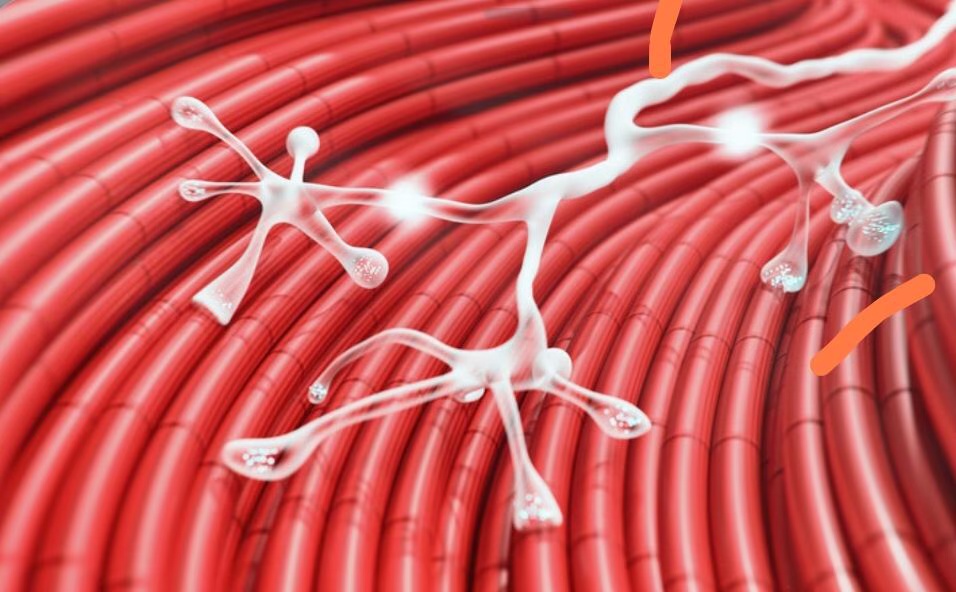
Neuromuscular junction
Clinical Presentation
Cats and dogs with MG typically exhibit exercise-induced fatigue. This fatigue may disappear within minutes but reappears when exertion resumes. Affected animals often cannot maintain posture on their hind limbs and develop weakness in the pelvic limbs. Additional signs include muscle tremors, limb stiffness, kyphosis, and inability to hold the head up.
Many patients with the acquired form show focal rather than generalized paralysis, including:
- Laryngeal paralysis
- Esophageal dilation
- Cranial nerve dysfunction
As noted in the pathophysiology, some cases involve thymic tumors (thymoma).
Due to various paralyses and tumor-related complications, affected animals may display cachexia, hypersalivation, dysphagia, hoarse barking, vomiting, coughing, and drooping ears or eyelids.
Megaesophagus occurs in approximately 90% of dogs with acquired myasthenia gravis, and it is important to remember that this condition can lead to aspiration pneumonia.
Diagnosis
Diagnosis of myasthenia gravis may be supported by administering Edrophonium chloride, which temporarily reverses muscle weakness and restores normal posture. If the response is insufficient, the test may be repeated within minutes at an increased dose.
Another diagnostic option is detection of circulating autoantibodies in serum samples. Because the congenital form does not involve antibody production, serology assists in differentiating the two forms.
Acetylcholine receptor antibody titers may be negative in the early stages, so if clinical signs and history are consistent with the disease, retesting is advisable.
This blog post has been verified by Vet. İbrahim Halil KAYA.
Resources
İstanbul Üniversitesi – Cerrahpaşa Veteriner fakültesi İç Hastalıkları Anabilim dalı immun sistem hastalıkları slaytı – Prof. Dr. Abdullah KAYAR Date of Access : 26.07.2024
SCHAER, M. GASCHEN, F. (2019) Köpek ve Kedilerin Klinik Hekimliği. Konya, Türkiye: Nuri ALTUĞ, Date of Access : 26.07.2024
 VETEXPLAIN
Yorum bırakın