
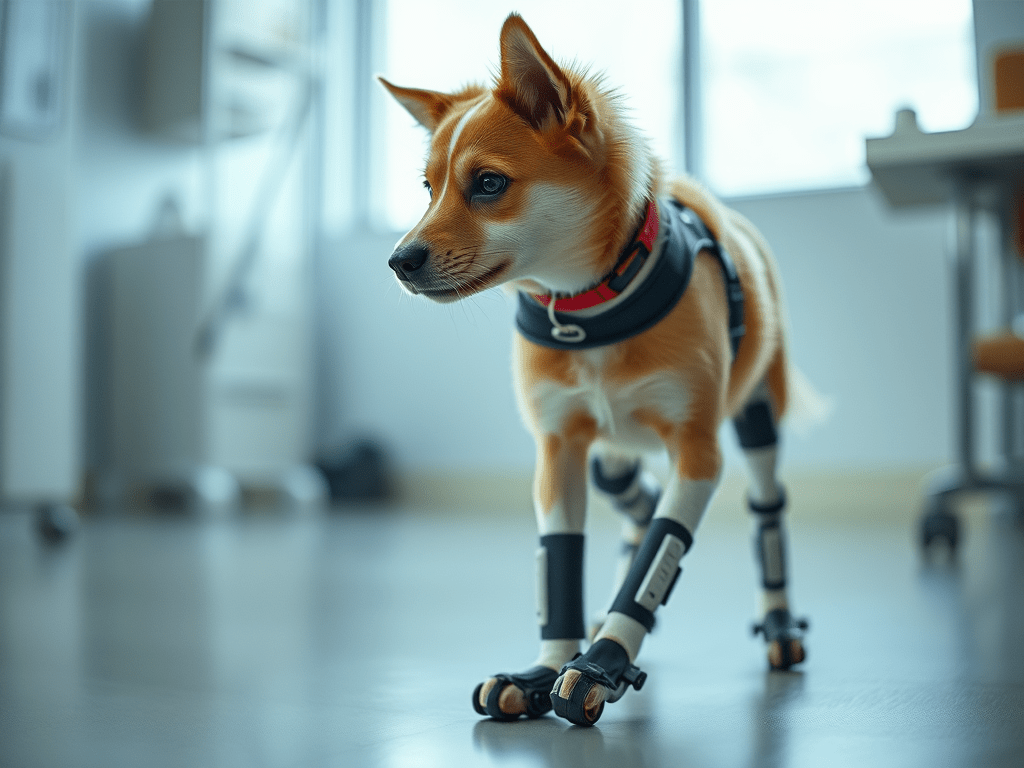
According to the World Health Organization, prosthetics and orthotics are externally applied devices and products designed to assist individuals with physical disabilities or functional limitations, improve their functionality, and enhance their potential to live healthy, productive, and independent lives. Many living beings, including animals, may require prosthetic or orthotic devices at certain periods of their lives due to various reasons.
With their increasing use, these devices help meet the biomechanical needs of many species and are broadly referred to as prostheses and orthoses. Defined separately:
Prostheses are “devices designed to mimic and replace missing body parts, substituting a partially or completely lost limb and helping restore its normal range of motion.”
The term orthosis, on the other hand, refers to “medical devices applied to the body to enhance the performance or function of limbs that have partially or completely lost their abilities, stabilize the affected regions, provide protection, support weakened muscles, and accelerate the healing process.”
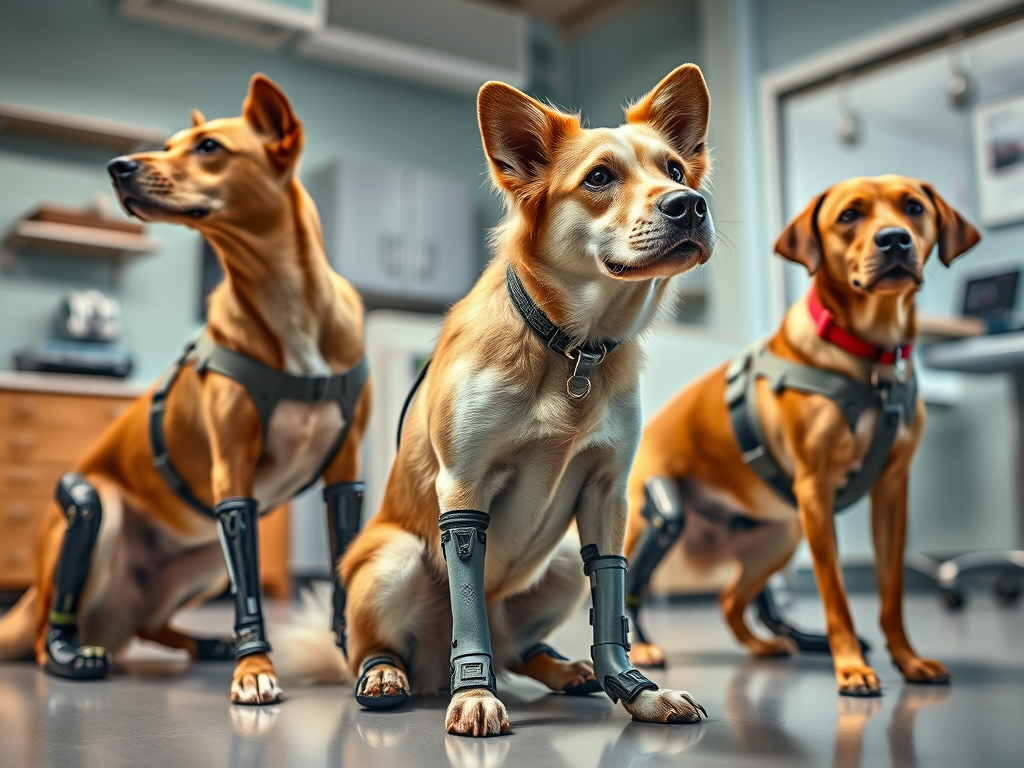
The use of prosthetics and orthotics in veterinary medicine has expanded rapidly with advances in the field. Today, biomechanical technologies are frequently utilized in cases of limb loss or impaired limb function in animals. The industries that develop prosthetic and orthotic devices for humans and animals share similar goals and are deeply interconnected. However, due to the anatomical and biomechanical differences arising from species diversity, rehabilitation processes must be thoroughly assessed.
These devices promote controlled and protected movement, prevent potential injuries, reduce pain intensity, and stabilize weakened limbs to improve mobility. The process begins with diagnosing the movement or functional disorder. Once the appropriate device and materials are selected, the device is produced and applied. A rehabilitation phase then follows, and performing all these steps under veterinary supervision greatly increases the likelihood of success.
In recent years, computer-aided designs and additive manufacturing technologies such as three-dimensional printing have enabled the rapid and cost-effective production of prosthetic and orthotic devices. With 3D printing, stiffness and strength can be precisely controlled throughout the device. This makes it possible to manufacture parts with varying rigidity—firmer in areas requiring support and more flexible in areas where comfort is needed. As a result, these modern devices offer significant advantages over previously handmade or improvised models. These advantages include the reduction of pain caused by functional impairments, improved mobility, decreased secondary pain, easier return to an active lifestyle, reduced obesity-related conditions, enhanced quality of life, and increased independence of movement.
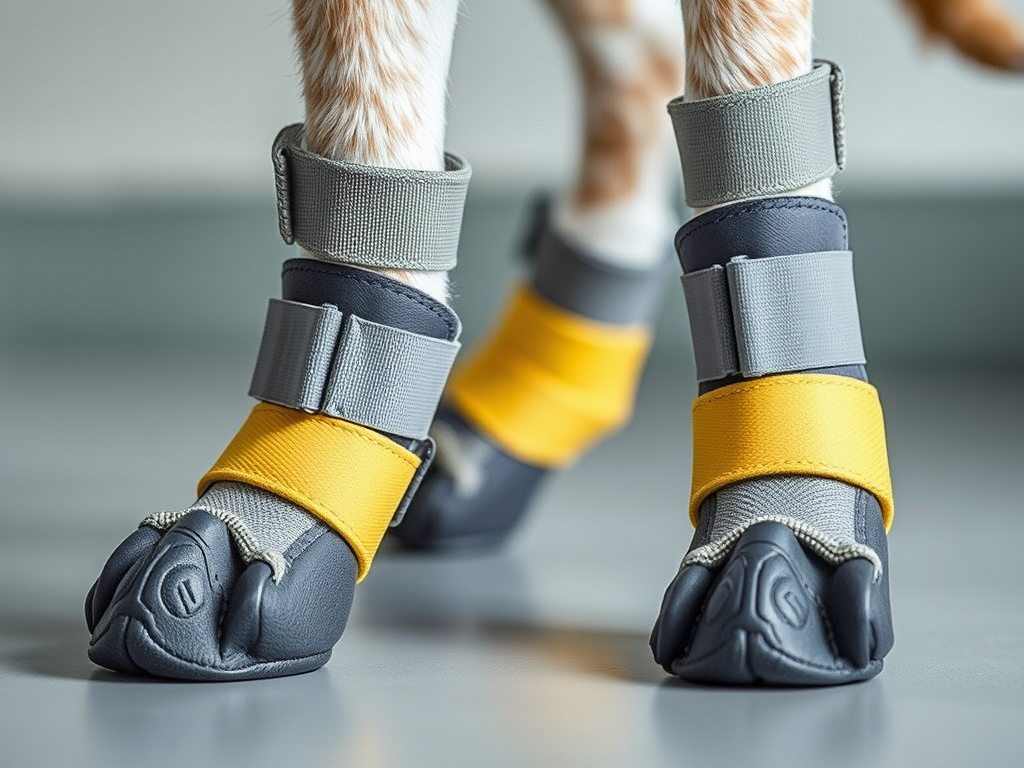
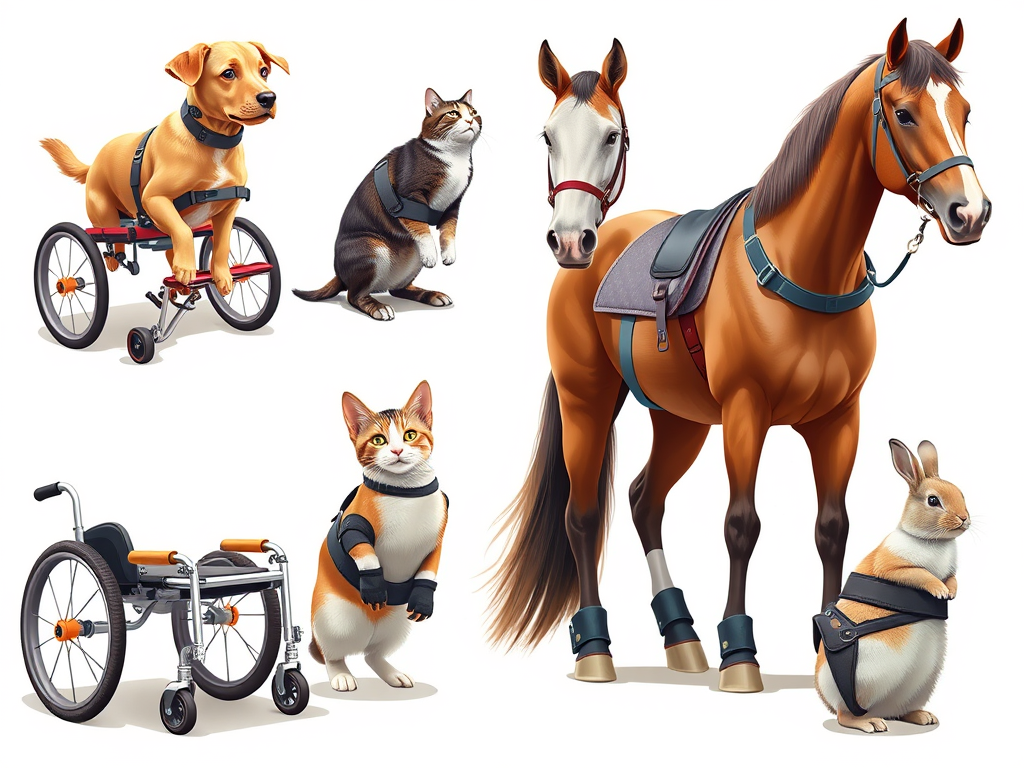
Among the most commonly used devices in animals are boots, slings, wheelchairs, and prosthetics. Boots and paw protectors are used to prevent injuries in animals with neurological issues that cause them to knuckle or drag the dorsal surface of their paws. These sock-like devices feature securing straps that prevent further damage to the feet. When manufactured to be washable and waterproof—and when properly fitted while maintaining routine skin care—they provide highly effective results.
Supportive slings help lift and stabilize animals by holding them around various parts of the body. These devices are frequently used in bedridden animals or those recovering from surgery, and it is essential that they are made from skin-friendly, easy-to-clean materials.
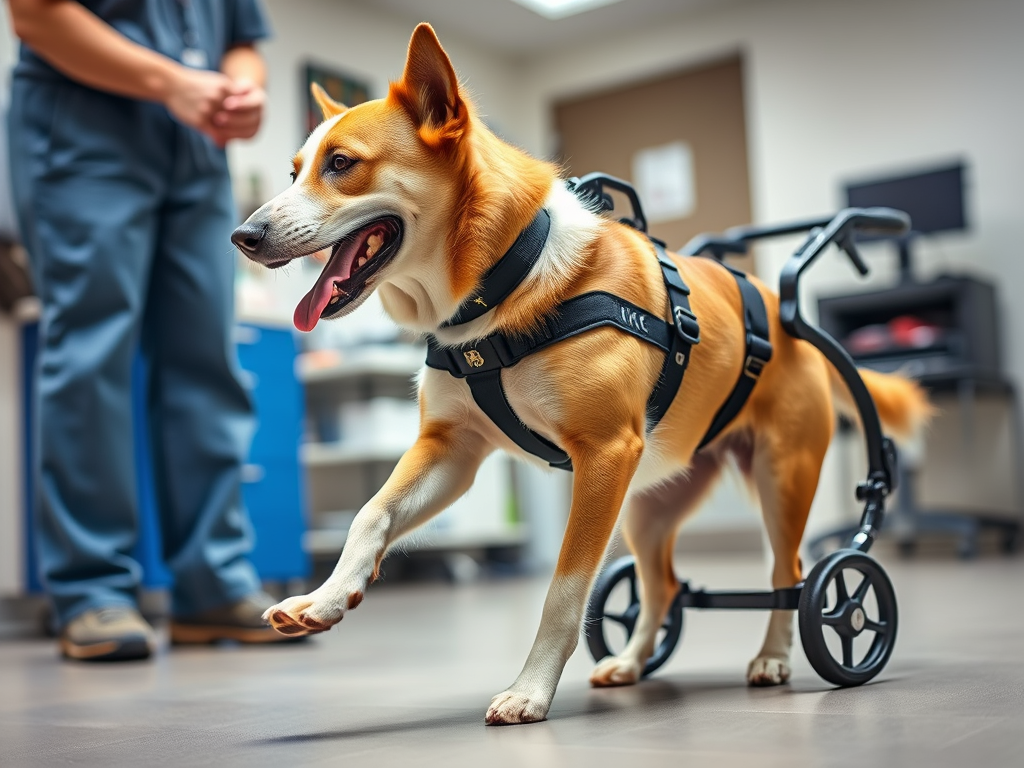
In cats and dogs, most amputations are due to trauma or tumors. Chronic infections such as osteomyelitis, as well as nerve damage rendering the limb nonfunctional, can also lead to amputation. Although quadrupedal animals generally adapt well to walking on three legs, prosthetics may still be required in special cases such as bilateral limb loss. Contrary to common belief, any type of amputation places additional load on the remaining limbs and can cause chronic pain. Wheelchairs—designed in various forms such as two- or four-wheeled models—can help support disabled animals, making mobility easier and significantly improving their quality of life.
Prosthetics, which until very recently had limited use in veterinary medicine, are rapidly becoming more widespread and important. Although extensive literature exists regarding their use in humans, research on animals remains scarce. This places a significant responsibility on veterinary researchers to deepen their expertise in areas such as material technologies and rehabilitation processes.
This blog post has been verified by Veterinarian Ahmet Hamdi KÜÇÜK.
Source:
Adapted from Dr. Tuncay Baydemir’s article ‘Prostheses and Orthoses’ published in TÜBİTAK Bilim ve Teknik Magazine, May 2021.”




 VETEXPLAIN
Yorum bırakın