
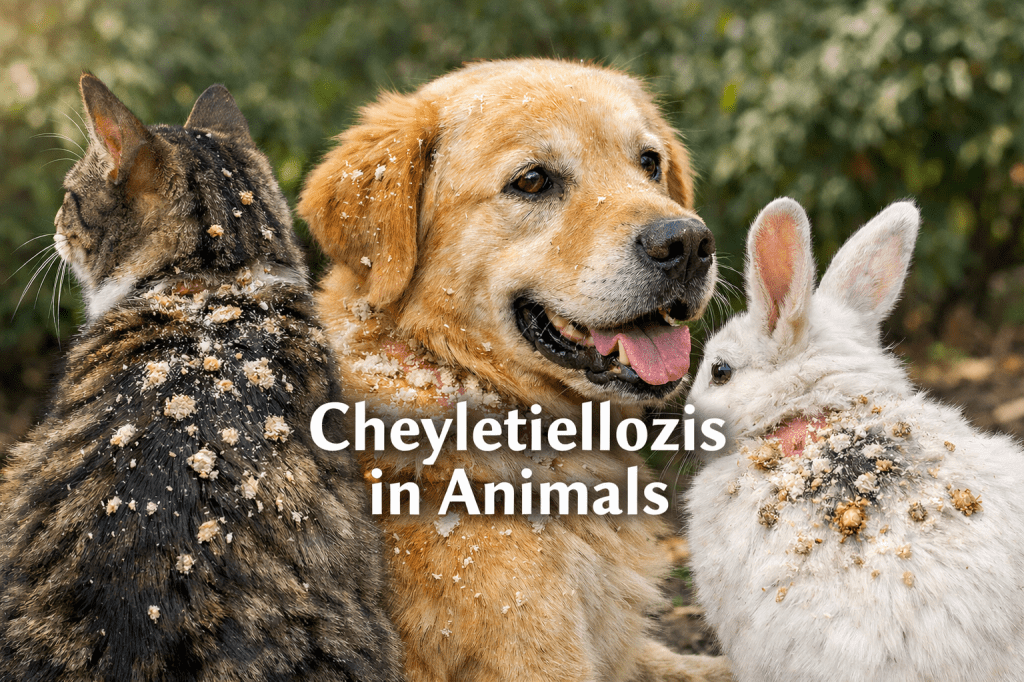
Cheyletiellosis is a dermatologic condition caused by microscopic mites belonging to the genus Cheyletiella. These mites commonly accumulate on the backs, shoulders, and necks of domestic animals. The most well-known species include Cheyletiella blakei (in cats), Cheyletiella yasguri (in dogs), and Cheyletiella parasitivorax (in rabbits, dogs, and cats).
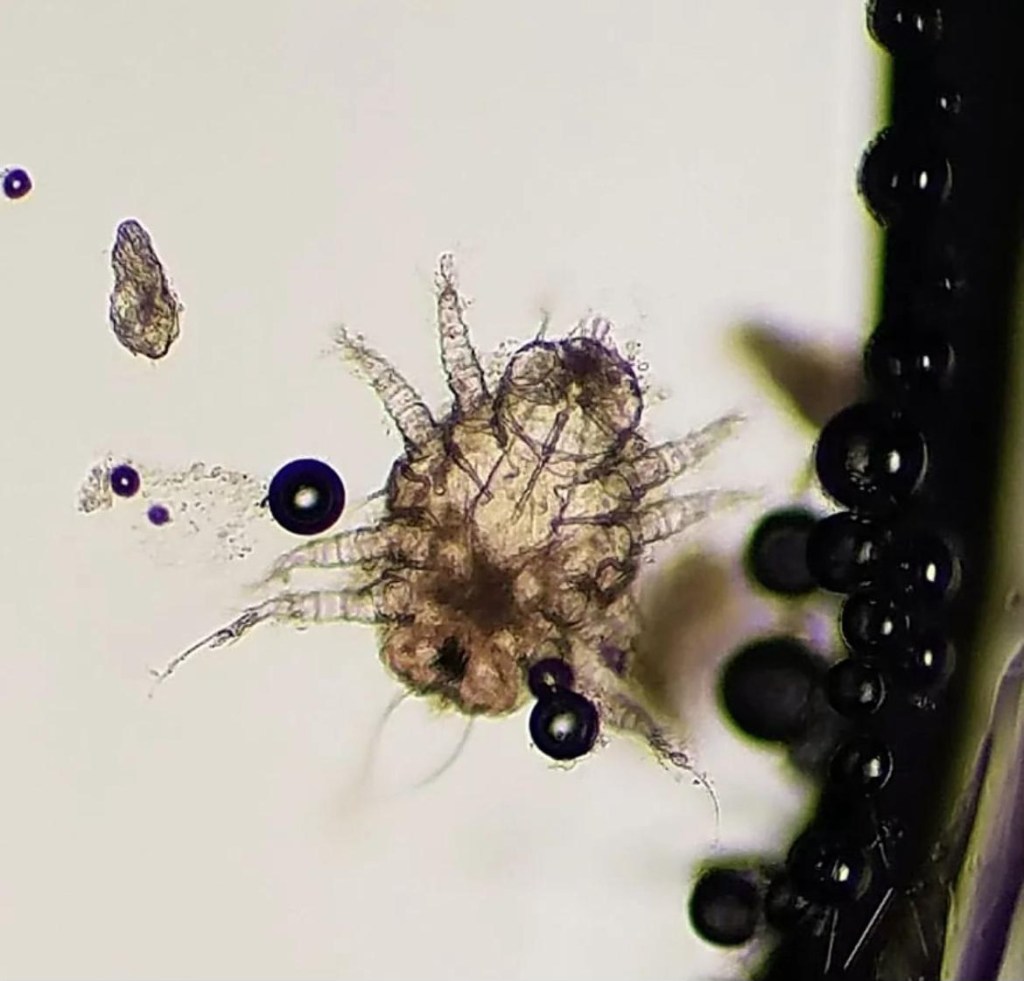
Cheyletiellid mites are contagious and not host-specific; therefore, cats may acquire C. yasguri from dogs or C. parasitivorax from rabbits. Cheyletiellosis is a zoonotic disease and can cause dermatologic reactions in humans who come into close contact with infected animals.
The condition spreads rapidly among kittens and puppies and is more common in long-haired animals. It is frequently observed in puppies and in environments with high animal density such as shelters or multi-pet households. The disease can also spread between hosts via vectors such as fleas, giving it significant transmission potential if left untreated.
The eggs adhere to hair shafts, and the entire life cycle (egg, larva, two nymphal stages, and adult) is completed on a single host within approximately 35 days.
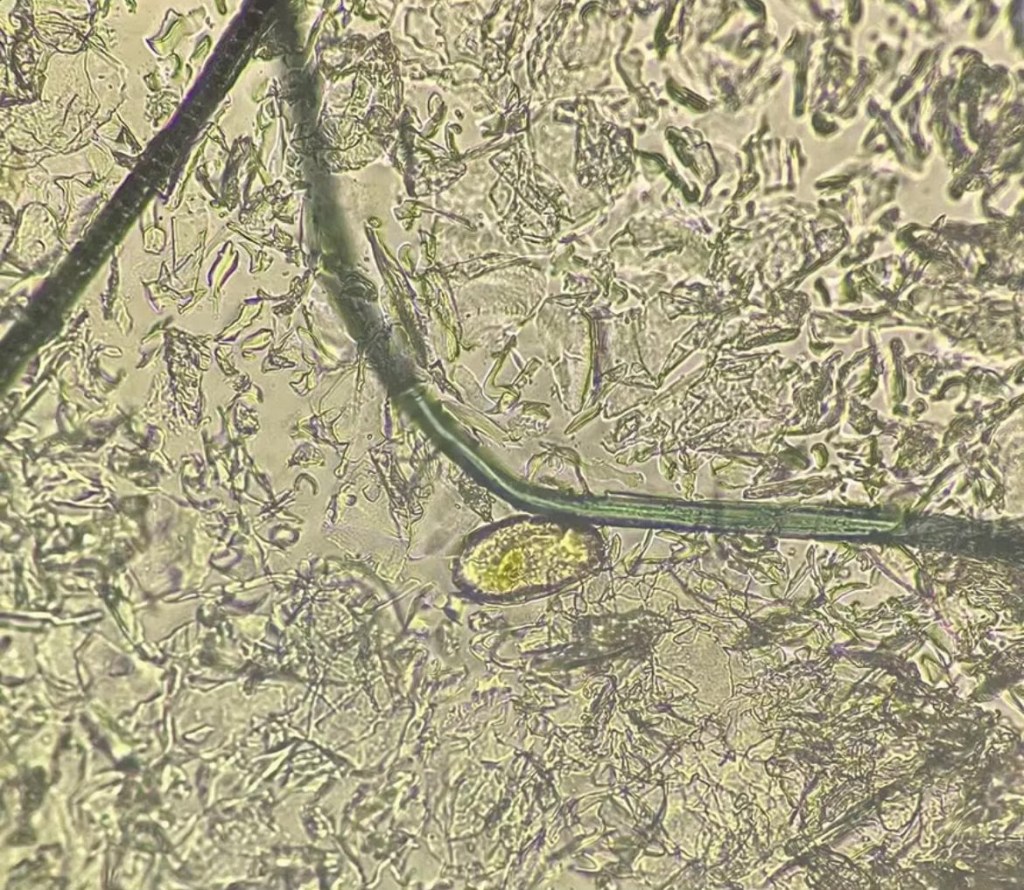
These parasites live on the skin surface of domestic animals and cause clinical signs such as pruritus, dandruff, and cutaneous lesions. In some cases, animals may carry the mites without showing clinical symptoms. The mites reside in pseudotunnels formed within epidermal debris and do not burrow into the skin. They move actively along the hair coat, giving rise to the term “walking dandruff”.
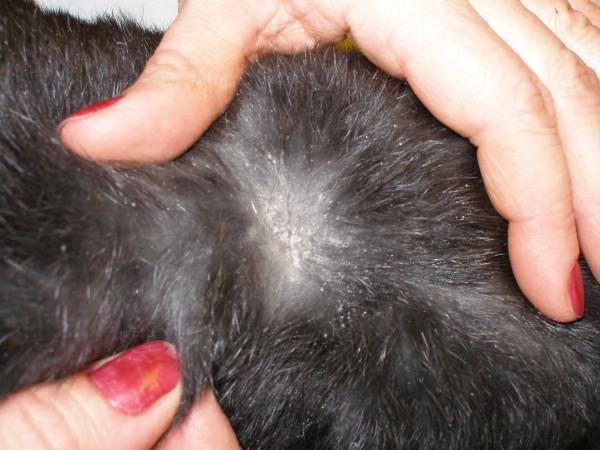
Treatment generally involves ectoparasiticides, topical applications, or systemic medications, and most cases respond well to appropriate therapy. Clinically, improvement is expected within a few days following treatment. Treatment failure is usually associated with poor environmental conditions or high animal density. It should also be remembered that underlying conditions (such as atopy or endocrine diseases) may contribute to treatment resistance.
This blog post was verified by Vet. Hek. İbrahim Halil KAYA.
Resources:
Bishop, B. F., Bruce, C. I., Evans, N. A., Goudie, A. C., Gration, K. A. F., Gibson, S. P., Pacey, M. S., Perry, D. A., Walshe, N. D. A., & Witty, M. J. (2000). Selamectin: A novel broad-spectrum endectocide for dogs and cats. Veterinary Parasitology, 91(2-3), 163-176.
Chailleux, N., & Paradis, M. (2002). Efficacy of selamectin in the treatment of naturally acquired cheyletiellosis in cats. Canadian Veterinary Journal, 43(10), 767-770.
Curtis CF. Current trends in the treatment of Sarcoptes, Cheyletiella and Otodectes mite infestations in dogs and cats. Vet Dermatol. 2004;15(2):108-114. doi:10.1111/j.1365-3164.2004.00362.x
Dinçer, Ş., & Karaer, Z. (1985). Türkiye’de bir kedide ilk Cheyletiella blakei Smiley, 1970 (Acari: Cheyletiellidae) bulgusu. Ankara Üniversitesi Veteriner Fakültesi Dergisi, 32(2), 250-257.
Gülanber, A. (2003). İstanbul’da bir kedide cheyletiellosis olgusu. İstanbul Üniversitesi Veteriner Fakültesi Dergisi, 29(1), 71-75.
Krautmann, M. J., Novotny, M. J., De Keulenaer, K., Godin, C. S., Evans, E. I., McCall, J. W., Wang, C., Rowan, T. G., & Jernigan, A. D. (2000). Safety of selamectin in cats. Veterinary Parasitology, 91(2-3), 393-403.
Kurtdede, A., Alkan, Z., & İlhan, T. (1994). Kedi cheyletiellosisinin ivermektin ile sağaltımı. Ankara Üniversitesi Veteriner Fakültesi Dergisi, 41(2), 275-279.
Lewis, D. T., Merchant, S. R., & Neer, T. M. (1994). Ivermectin toxicosis in a kitten. Journal of the American Veterinary Medical Association, 205(4), 584-586.
Scarampella, F., Pollmeier, M., Visser, M., Boeckh, A., & Jeannin, P. (2005). Efficacy of fipronil in the treatment of feline cheyletiellosis. Veterinary Parasitology, 129(3-4), 333-339.
Turan, H., Turan, A., Çoban, G., & Gönen, I. (2012). Cheyletiella dermatiti: Bir olgu sunumu. Klimik Dergisi, 25(3), 127-129.
Ütük, A. E., & Dumanlı, N. (2015). Prostigmata. In K. Z. Karaer & N. Dumanlı (Eds.), Arthropodoloji (1st ed., pp. 95-114). Ankara: Medisan Yayınevi.



 VETEXPLAIN
Yorum bırakın