
Medicines on Animal Health, Antimicrobial Resistance, and Public Health
1- Quality Issues and Counterfeiting in Veterinary Medicines
Counterfeit veterinary medicines constitute a significant problem in the livestock sector; these products increase animal mortality and lead to treatment failure and the development of antimicrobial resistance. In one study, the majority of participating veterinarians had not received adequate training on counterfeit medicines and reported gaps in knowledge on this issue. In professional practice, 36.5% demonstrated good performance, 44% moderate performance, and 19.5% low performance. Veterinarians primarily attempt to identify counterfeit medicines through visual inspection, observation of adverse effects, and lack of therapeutic efficacy (1). The study also found that most participants avoid distributing illegally imported medicines and routinely compare the batch or serial numbers of purchased products with the information on invoices. However, the rate of reporting counterfeit medicine incidents to regulatory authorities remains low, with approximately 70% of participants not reporting such cases. Coordination with regulatory bodies was also found to be insufficient, which further complicates efforts to prevent counterfeit medicines from entering the market. In conclusion, providing targeted training for veterinarians on counterfeit medicines, strengthening communication and coordination, and activating effective reporting mechanisms are of critical importance (1).
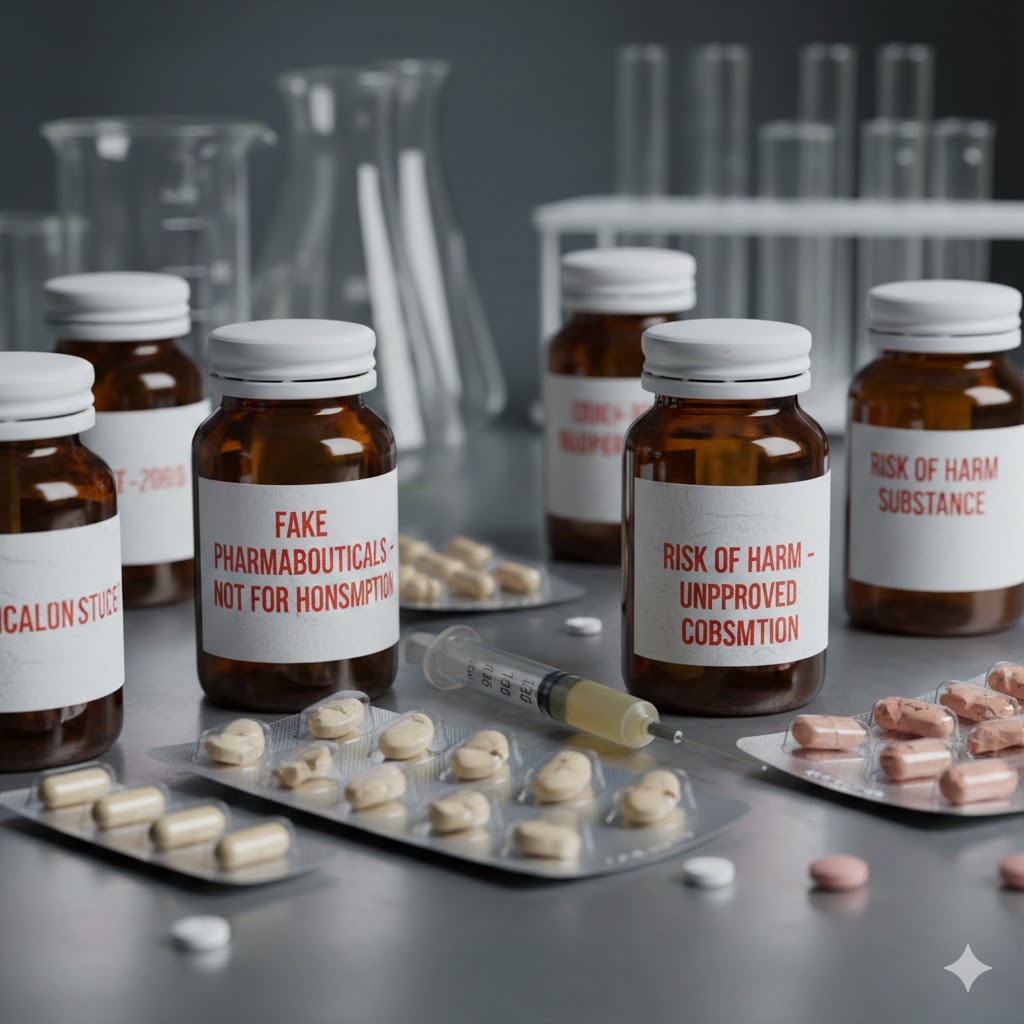
Figure 1: Counterfeit drugs. This visual was generated using artificial intelligence by Enes Bilgiçer.
2- Impacts on Animal Health
Findings obtained between 1981 and 2021 indicate that approximately 6.5% of
veterinary medicines consist of counterfeit or substandard products. More than half of the analyzed samples failed quality control tests; the main reasons identified include insufficient levels of active pharmaceutical ingredients (APIs), incorrect formulation, use of inappropriate APIs, and technical deficiencies in the manufacturing process. Low API content not only reduces therapeutic efficacy but also leads to delayed recovery in animals, economic losses for producers, and particularly in the case of antibiotics the development of antimicrobial resistance (AMR). This situation has become, and will continue to be, a significant issue that threatens both veterinary medical practice and public health on a global scale (2,3,4).
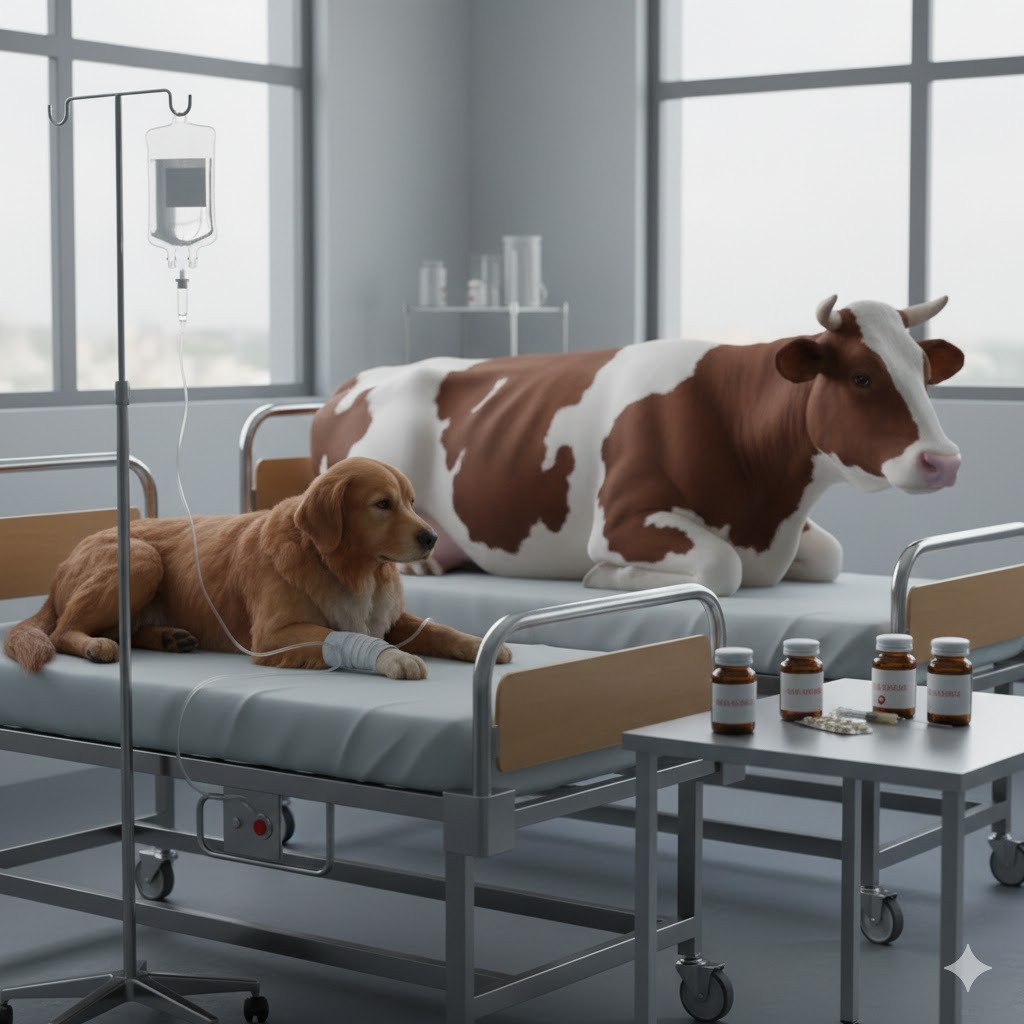
Figure 2: İmpact of animal health This visual was generated using artificial intelligence by Enes Bilgiçer.
3- Contribution to Antimicrobial Resistance
Counterfeit veterinary medicines are most frequently encountered among antibiotics and antiparasitic drugs, with a large proportion of oxytetracycline and diminazene
samples failing quality control tests. Medicines containing incorrect or insufficient amounts of active ingredients lead to treatment failures while simultaneously accelerating
the development of antimicrobial resistance (AMR). Incorrectly dosed and counterfeit products pose a threat not only to animal health but also to environmental and
food safety. The prevalence of counterfeit medicines is further exacerbated by inadequate inspection systems, limited regulatory capacity, and the growth of online pharmaceutical trade. Therefore, effective monitoring of veterinary medicines, strengthening field-based reporting mechanisms, and enhancing coordination among regulatory authorities are of critical importance in the fight against AMR (6).

Figure 3: İmpact of Human health. This visual was generated using artificial intelligence by Enes Bilgiçer.
4- Public Health Risks
Animals and humans share many common pathogens, and approximately 60% of newly
emerging human infectious diseases identified between 1940 and 2004 are of animal origin (6,7). The One Health approach emphasizes the importance of multisectoral collaboration to manage risks arising from human–animal–environment interactions and to strengthen global health security (8). Ensuring the quality of veterinary medicines is a key component in achieving this goal. Substandard or falsified (SF) veterinary medicines have serious adverse effects on agricultural production, livestock farming, trade, nutrition, and food safety (9,10). In particular, counterfeit antibiotics with low active pharmaceutical ingredient (API) content or poor bioavailability lead to inadequate plasma concentrations and result in subtherapeutic effects. This situation allows animal pathogens to be exposed to antibiotics without being fully eliminated, thereby accelerating the development of antimicrobial resistance (AMR). Emerging resistant pathogens can be transmitted to humans through direct contact, the food chain, or environmental pathways (11). Nevertheless, studies examining the impact of SF medicines on AMR, and the relative importance of this impact compared with other resistance-driving factors, remain limited (12,13).
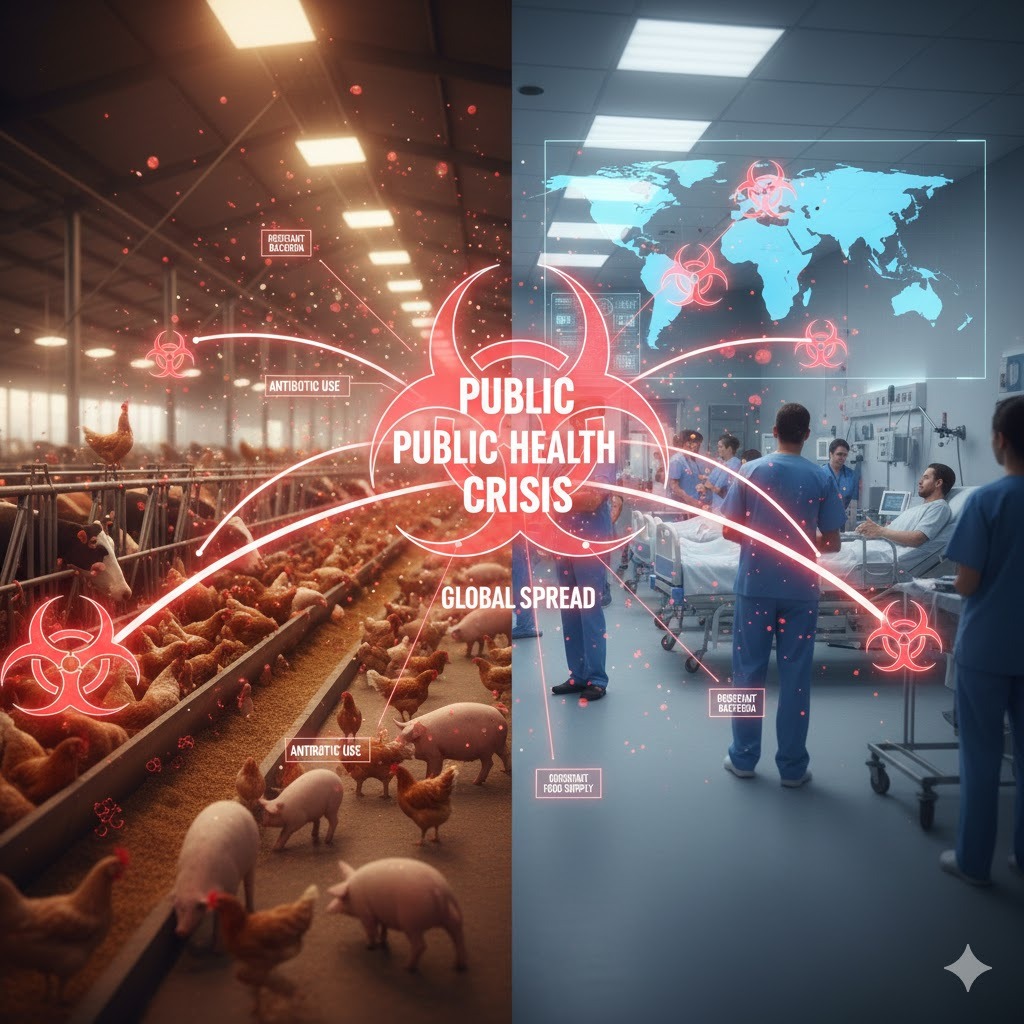
Figure 4: Risks of public health. This visual was generated using artificial intelligence by Enes Bilgiçer.
5- Prevention and Regulatory Strategies
The data indicate a substantial lack of information regarding the quality of veterinary medicines, particularly in high-income countries and in online sales. The
high failure rates observed in quality control tests highlight the need for robust prevention and regulatory strategies at the global level. In this context, strengthening quality control
throughout the supply chain, enhancing cooperation among regulatory authorities, and
implementing stricter oversight of online sales are of great importance (5).

Figure 5: Arrangements made. This visual was generated using artificial intelligence by Enes Bilgiçer.
6- Conclusion
Substandard and potentially counterfeit veterinary medicines pose a serious threat to global public health by compromising animal health, reducing economic productivity, and
particularly accelerating the development of antimicrobial resistance (AMR). To effectively address this problem, it is critically important to enhance veterinarians’ education on counterfeit medicines, activate and strengthen reporting mechanisms, and improve communication among regulatory authorities. Increasing quality control throughout the supply chain and strengthening the oversight of online sales are vital steps to prevent these products from entering the market and to protect human, animal, and environmental health within the framework of the One Health approach.
Approved by Assoc. Prof. Dr. Nilay Seyidoğlu.
This topic was presented orally by Enes Bilgiçer at the 10th International Veterinary and Animal Sciences Congress.
References
- Tefera Mekasha Y, Nigussie S , Ashagre W, Getahun Feleke M, Wondie A , Mulaw A , Dessalegn B. Evaluating the Knowledge, Practice, and Regulator y Situation of Veterinar y Exper ts Regarding Counterfeit Veterinar y Medications in the Selected Districts of Central Gondar Zone, Ethiopia. Vet Med (Auckl). 2024;15:91-108 https: //doi.org/ 10.2147/ VMRR.S450560 Access Date: 01.12.2025
- Kang J, Park H- C , Jang YH, et al. National post-market sur veillance assessment of veterinar y medicines in Korea during the past decade. BMC Vet Res 2017;13:136. Access Date: 01.12.2025
- Ministr y of Agriculture and rural affairs of the Peoples Rupublic of China. Animal health in China 2012 (IV): chapter 7 veterinar y drug production and control, 2012. Available: http: //english.agri.gov.cn/hottopics/ah/201411/t20141116_ 24377.html [Accessed 13 Jul 2020].Access Date: 01.12.2025
- European Medicines Agency. 20 years of sampling and testing of centrally Authorised products 1998- 2017. European Medicines Agency, 2019: 1–23. https: //www.ema.europa.eu/en/documents/repor t/20-years-sampling-testing-centrally- authorised-products-1998-2017_en.pdf Access Date: 01.12.2025
- Vidhamaly V, Bellingham K, New ton PN et al. The quality of veterinar y medicines and their implications for One Health. BMJ Global Health 2022;7:e008564 . doi:10.1136/bmjgh-2022-008564 Access Date: 01.12.2025
- World Organisation for Animal Health (OIE). Animal health: a multifaceted challenges, 2015. Available: https: //www.oie.int/f ileadmin/Home/eng/Media_Center/docs/pdf/Key_ Documents/ANIMAL- HEALTH-EN-FINAL .pdf [Accessed 17 Jan 2022]. Access Date: 01.12.2025
- Jones KE, Patel NG, Levy MA , et al. Global trends in emerging infectious diseases. Nature 2008;451:990–3. Access Date: 01.12.2025
- O’Neill J. Tackling drug resistant infections globally: f inal repor t and recommendations. Rev. Antimicrob. Resist 2016 https: //amr-review.org/sites/default/f iles/ 160518_ Final paper_with cover.pdf Access Date: 01.12.2025
- Chaka H, Eguale T, Lidetu D, et al. Evaluation of the eff icacy of anthelmintics sold on Ethiopian markets against Haemonchus contor tus in experimentally infected sheep. Trop Anim Health Prod 2009;41:973–8. Access Date: 01.12.2025
- Le Minor O. L’Asie du Sud Est, un foyer pandémique? Bangkok: Institut de recherche sur l’Asie du Sud Est contemporaine, 2011. Access Date: 01.12.2025
- Adu AO. Quality assessment of veterinar y pharmaceuticals: a case of oxtetracycline and praziquantel, 2016. Available:https: //www.semanticscholar.org/paper/Quality-assessment-of-veterinar y- pharmaceuticals%3A-a-Adu/dd45cd89e712036bccb51a5a302696a4f 170e42b [Accessed 17 Jan 2022]. Access Date: 01.12.2025
- Van Boeckel T. Resistance bank, 2019. Available: https: //resistancebank.org/ [Accessed 21 Dec 2021]. Access Date: 01.12.2025
- Clement M, Olabisi M, David E. Veterinar y pharmaceuticals and antimicrobial resistance in developing countries. Veterinary Medicine and Pharmaceuticals, 2019: 1–15. Access Date: 01.12.2025




Bir Cevap Yazın